Think bigger, Dream bigger | 尚德融合部小學一年級課程展

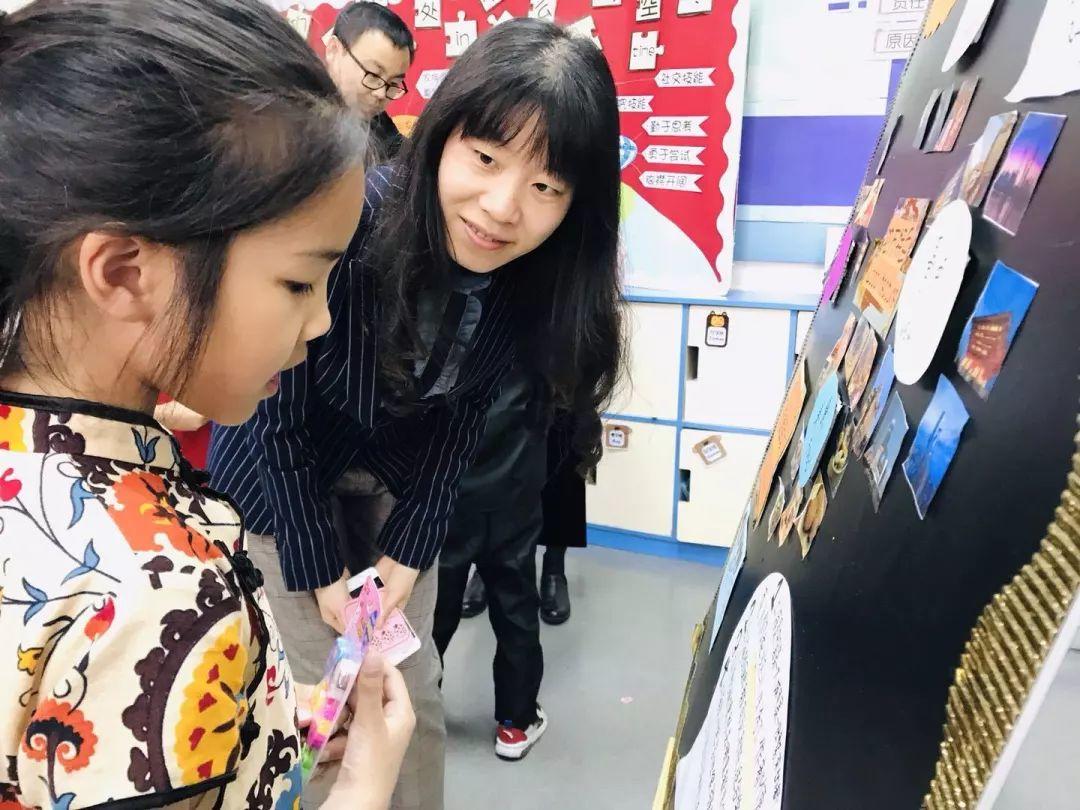
一年級,是孩子人生中的一個新階段,告別幼兒園的無憂無慮,成為一名小學生。本次一年級課程展,6個班級的孩子們以所學過的不同UOI單元主題向大家展現了他們是如何完成從幼兒園到小學生的華麗蛻變,開啟他們小學生活的第一階段。First grade is a new stage in a child's life, become a student in primary school. In G1’s assembly, G1 students showed how they completed their identity transformation and started their school life by divided into 5 UOI units they have learned in the past 10 months.
01
我們是誰Who we are
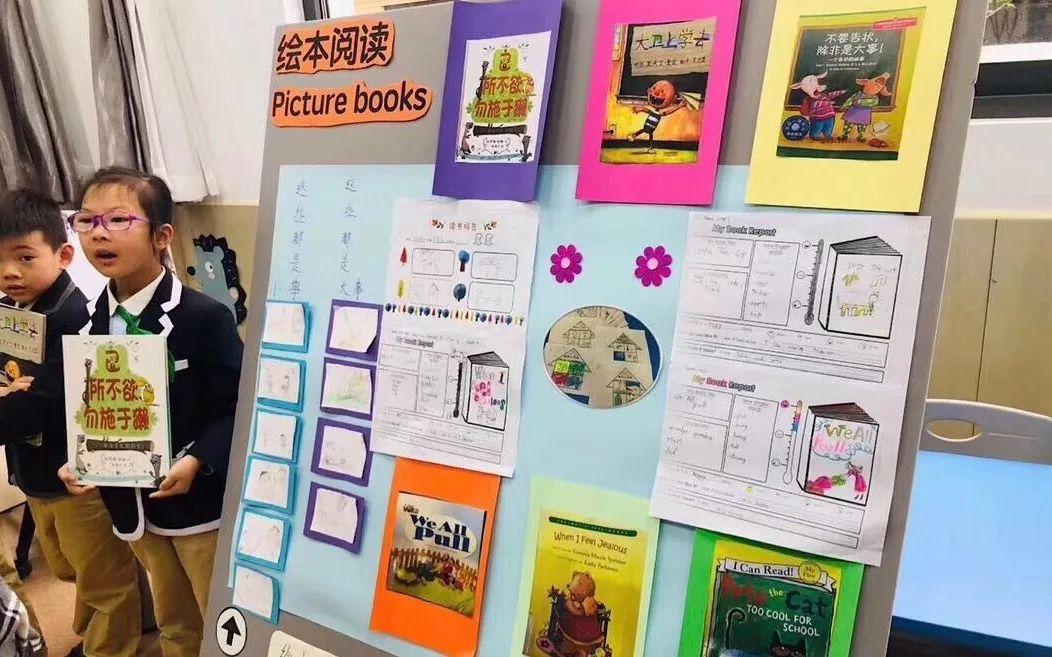
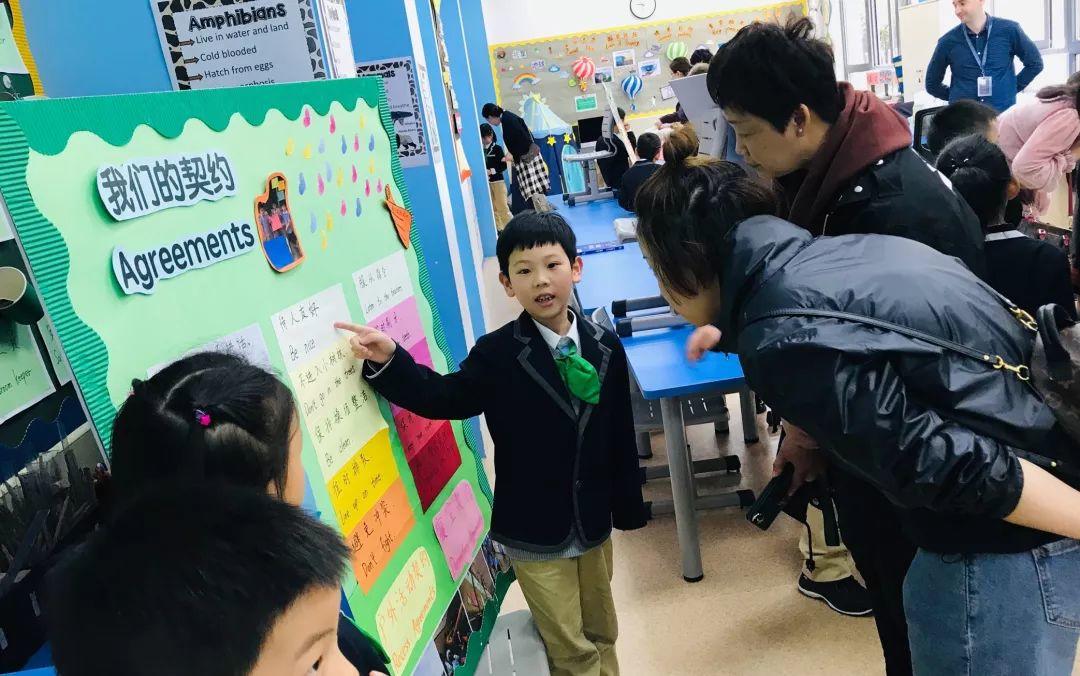
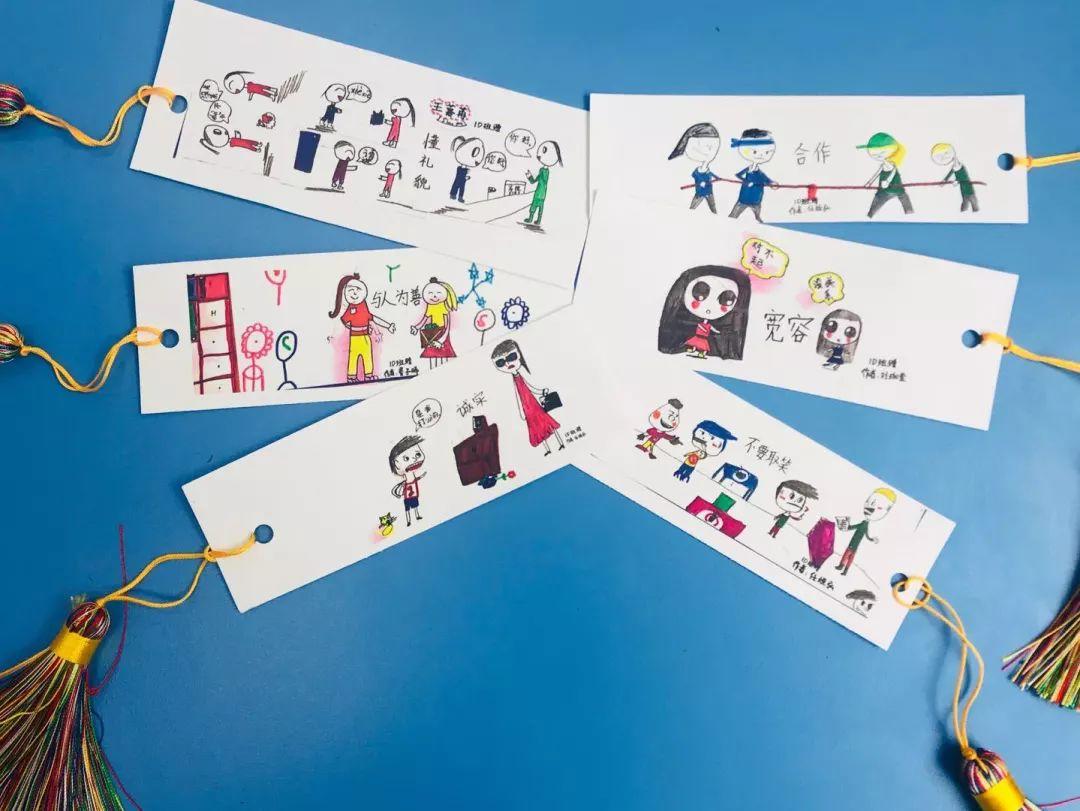
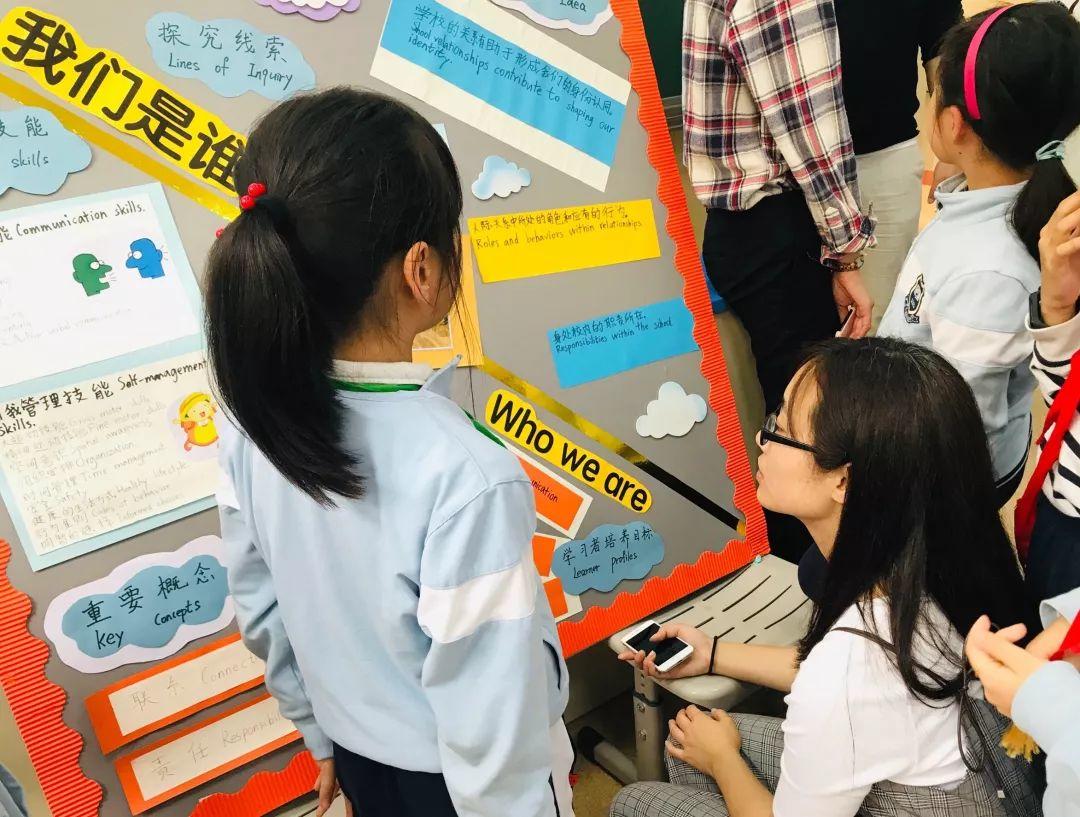
通過“我們是誰”這個單元,一年級的孩子們完成了自己人生中的一次身份轉變:從幼兒園的小朋友到一名小學生。在這個單元中,孩子們對學校這個“系統”有了一個認識,同時對自己的身份有了新的了解。通過制定各種契約,孩子們知道了不同的場合有不同的規則需要遵守,還了解了如何與他人交朋友,如何更好地控制自己的情緒。在行動實踐的過程中,孩子們將過去的自己同現在的自己作對比,感受到了自己的變化和成長。In the unit "Who we are", G1 students finished an identity transformation in their life, from a kindergarten child to a primary school student. In this unit, they got the idea of a school system and learned about their new identity. Through making different agreements, they knew that there are different rules on different occasions. They also learned how to make friends with others, how to control their temper. In the process of taking action, they naturally found their change from the past.
02
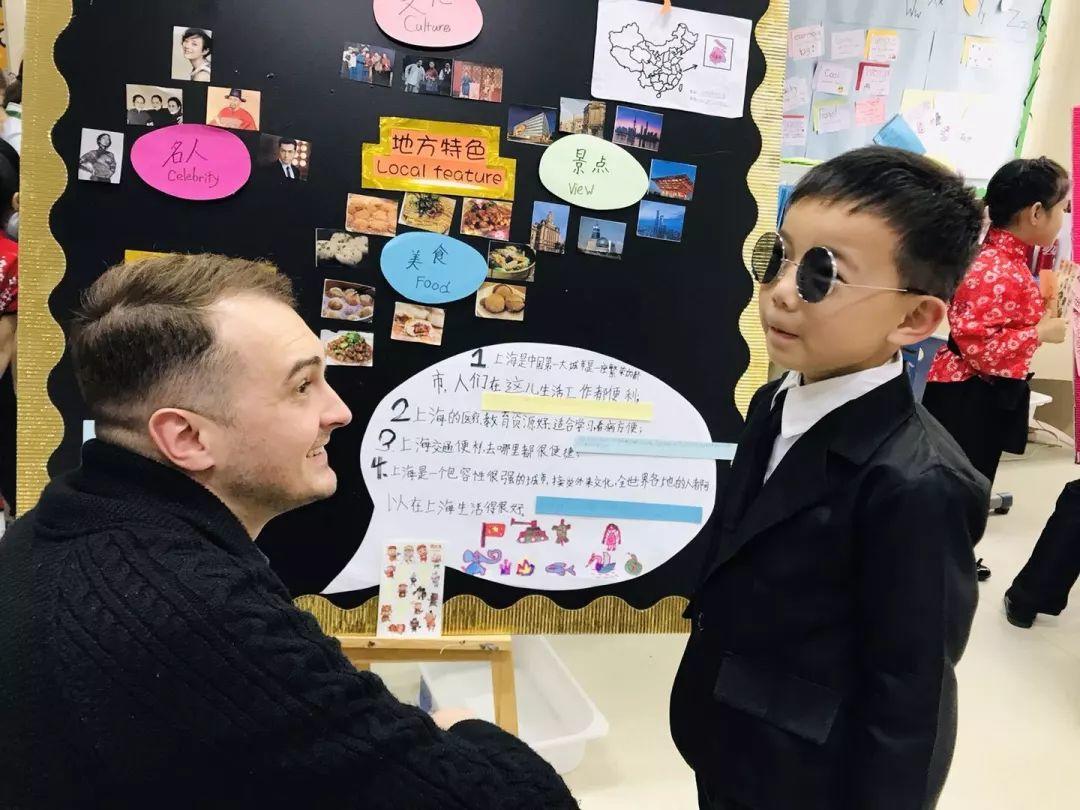
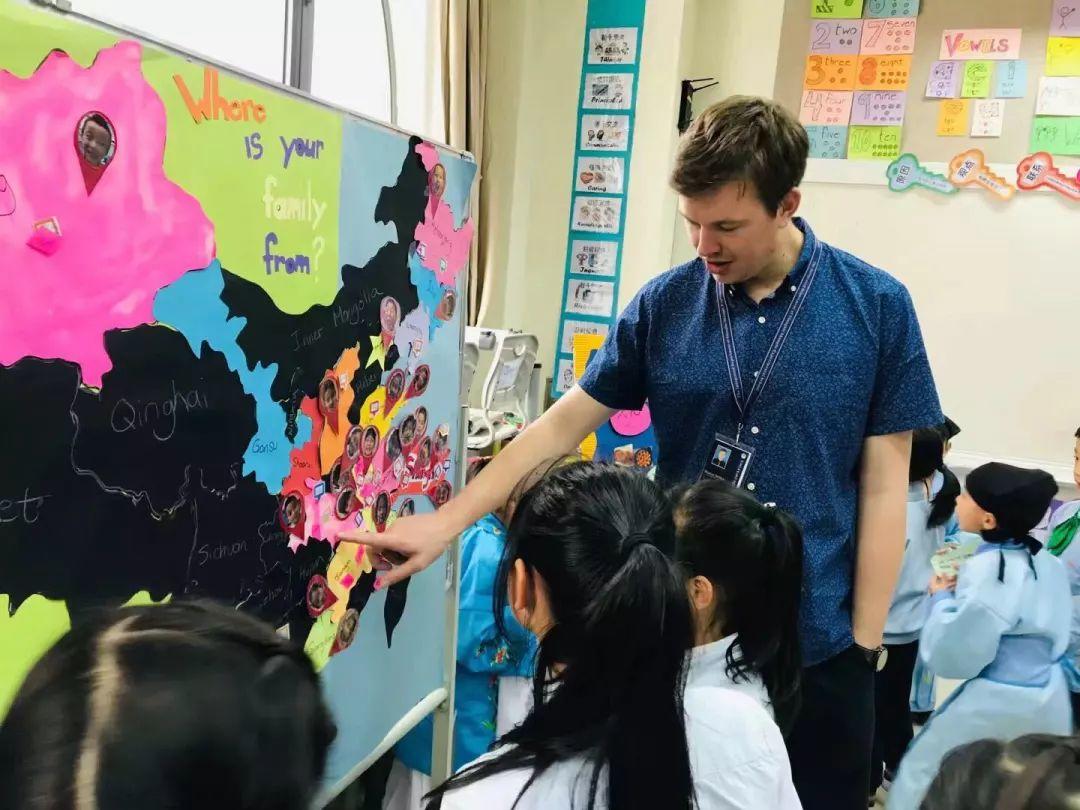
我們身處什么時空Where we are in place and time
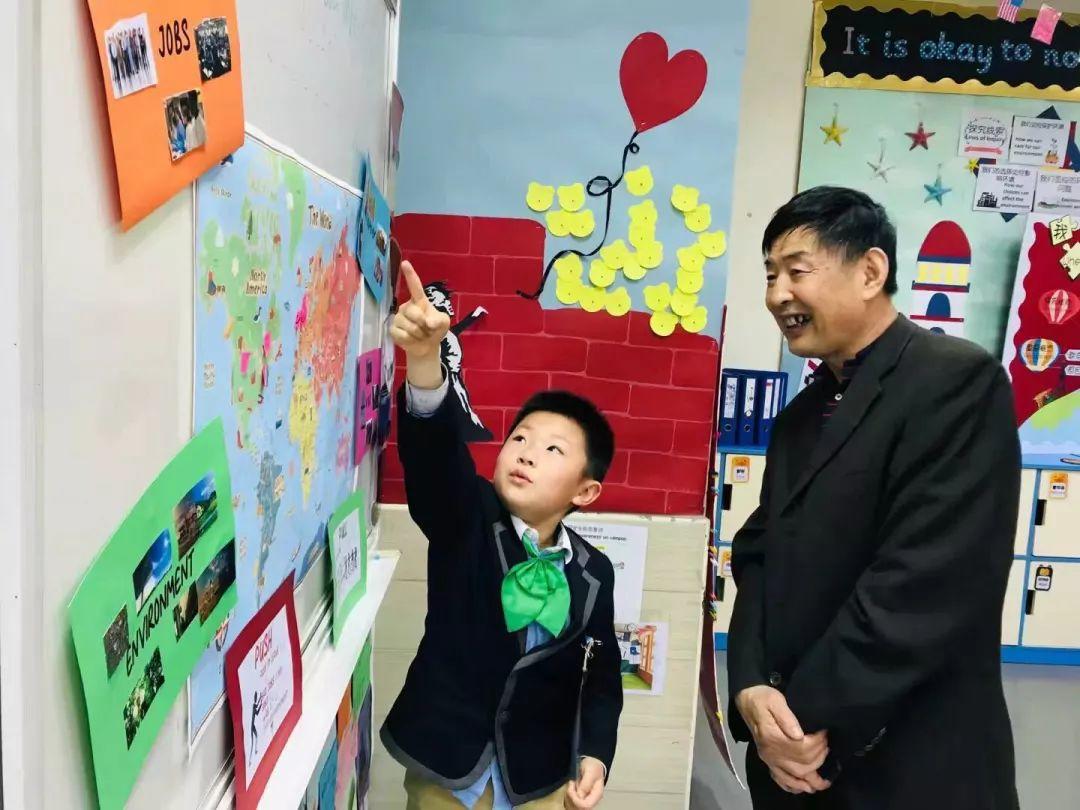
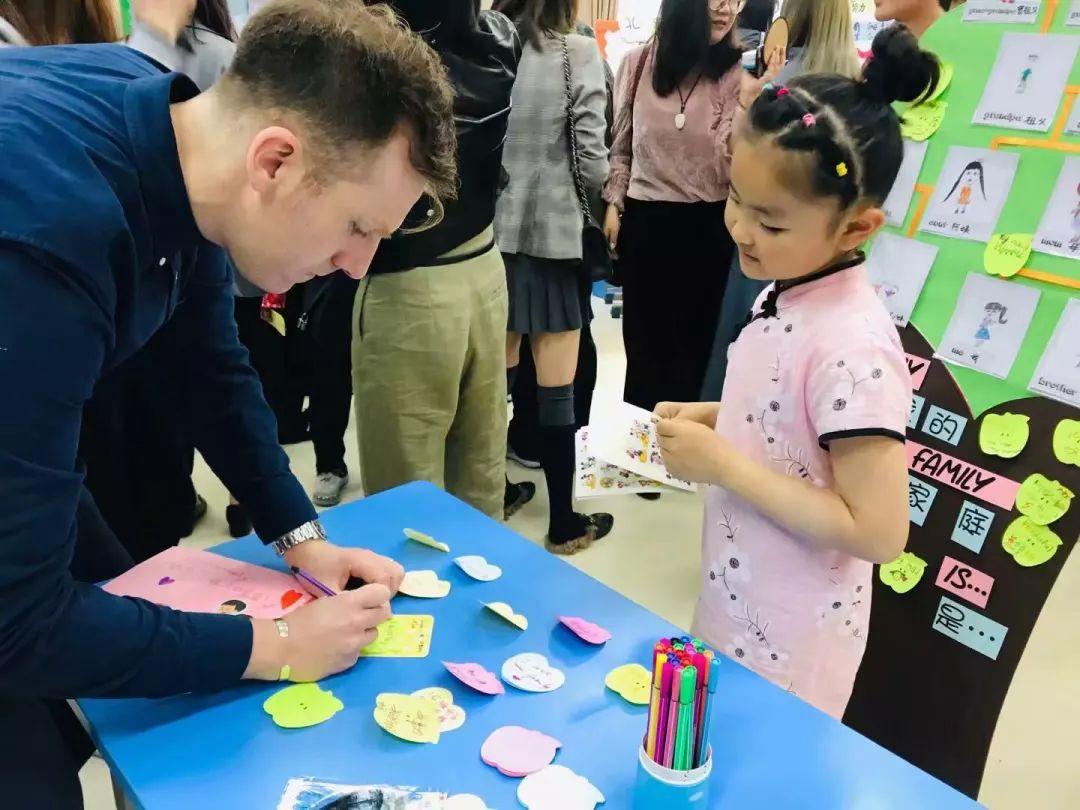
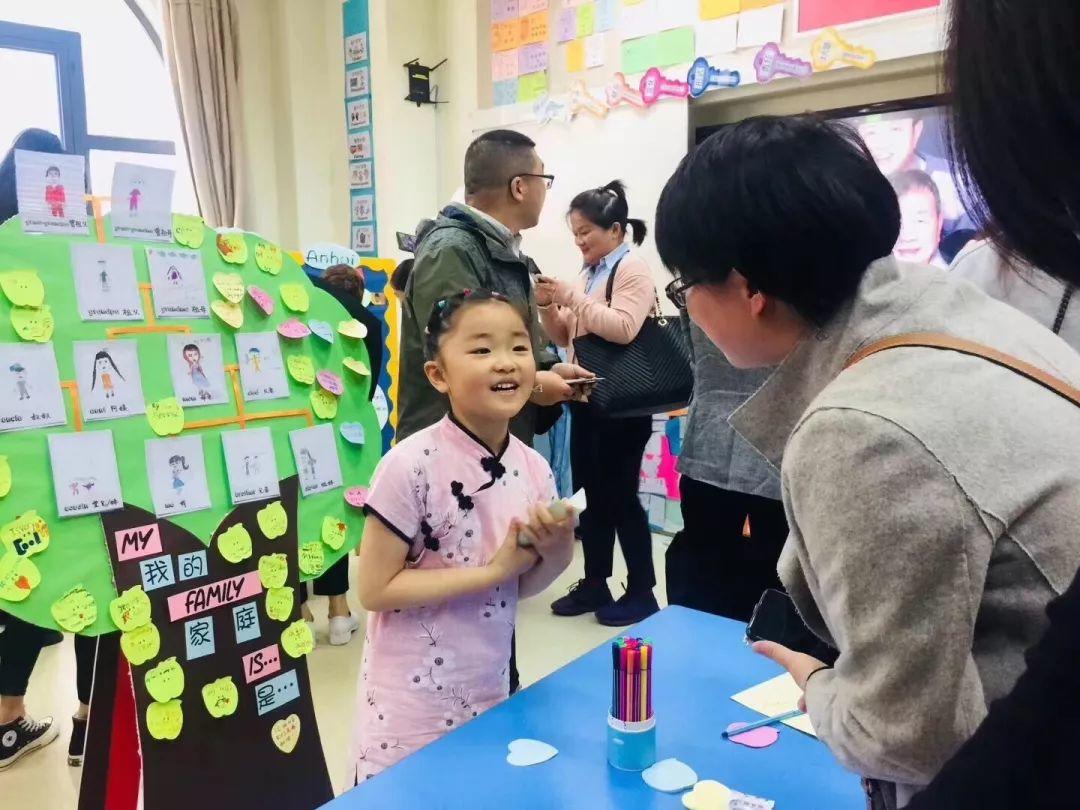
“我們身處什么時空”這個單元研究的是家族的變遷史。在完成了對自己新身份的認知之后,孩子們對自己的家族進行了解。孩子們不僅僅了解了自己家族的組成和變遷、自己家鄉的特色以及文化,與此同時還了解了自己所處的城市——上海的前世今生。In the unit "Where we are in place and time", students deal with the history of the family. After finishing learn their new identity, G1 students followed to know their family, In this unit, the children not only learn about the composition and changes of their families, the characteristics and culture of their hometown, but also about the past and present life of their city, Shanghai.
03
我們如何組織自己How we organize ourselves
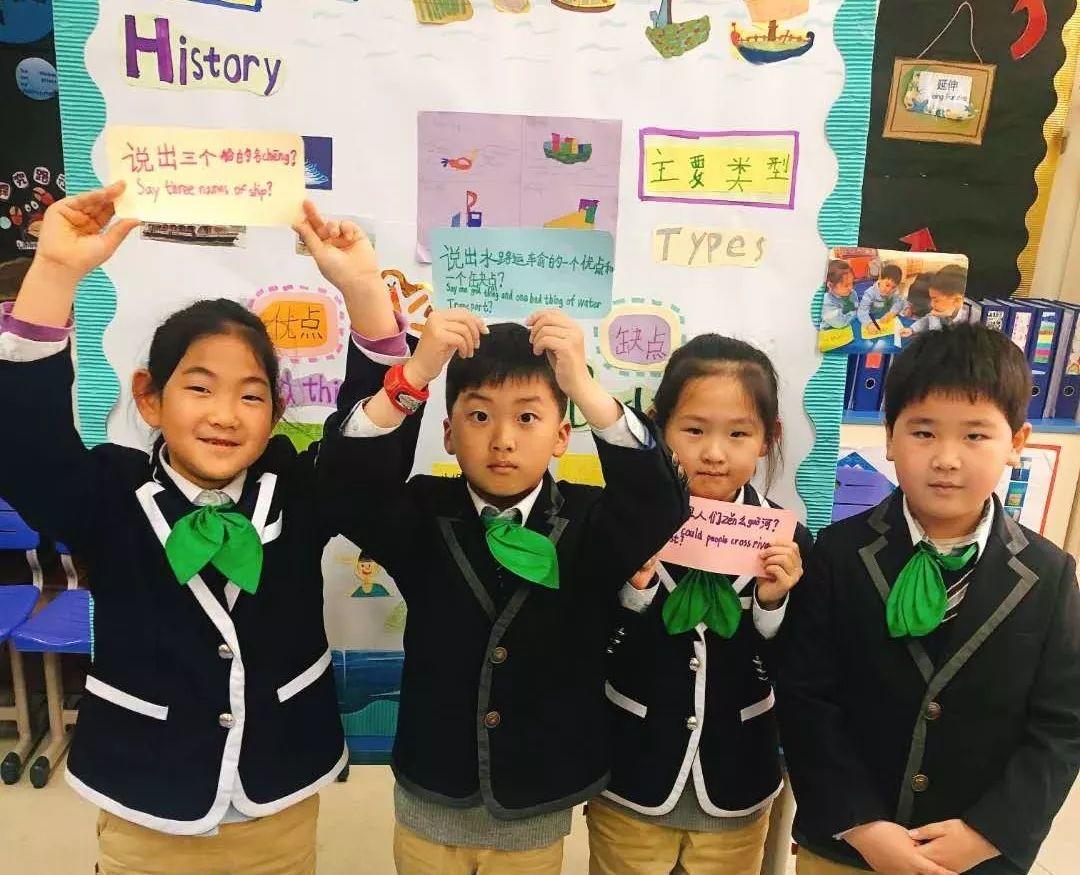
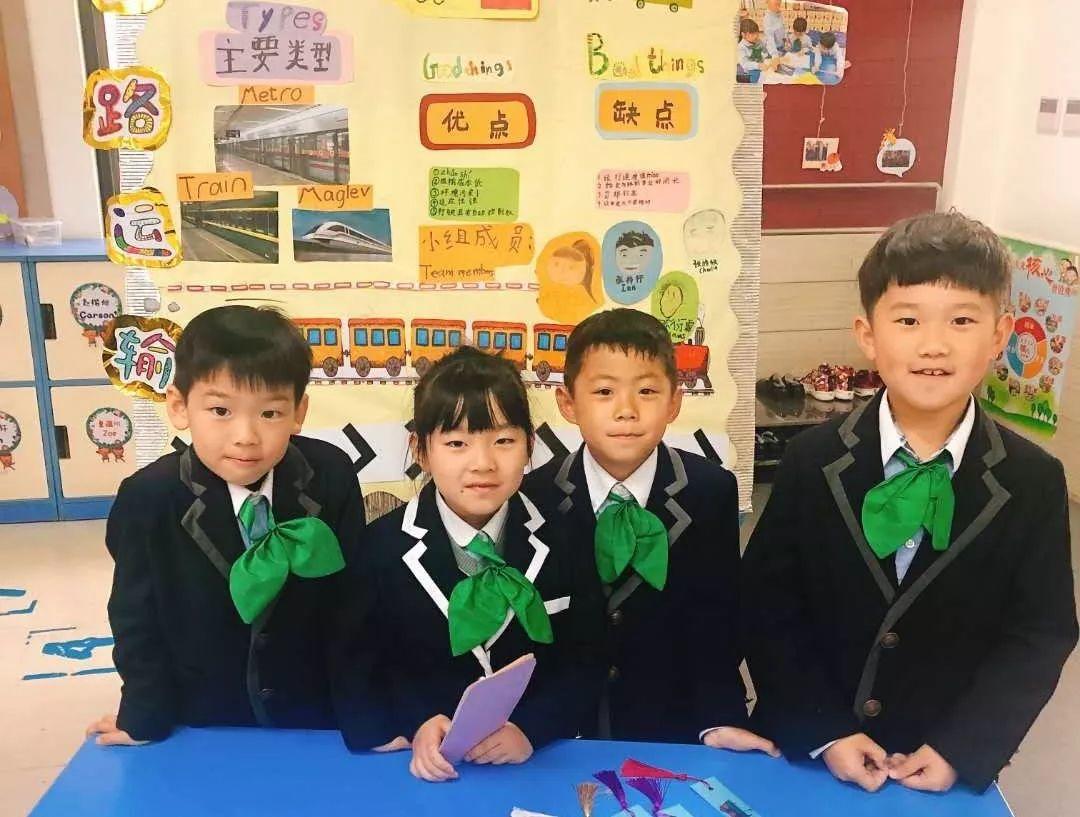
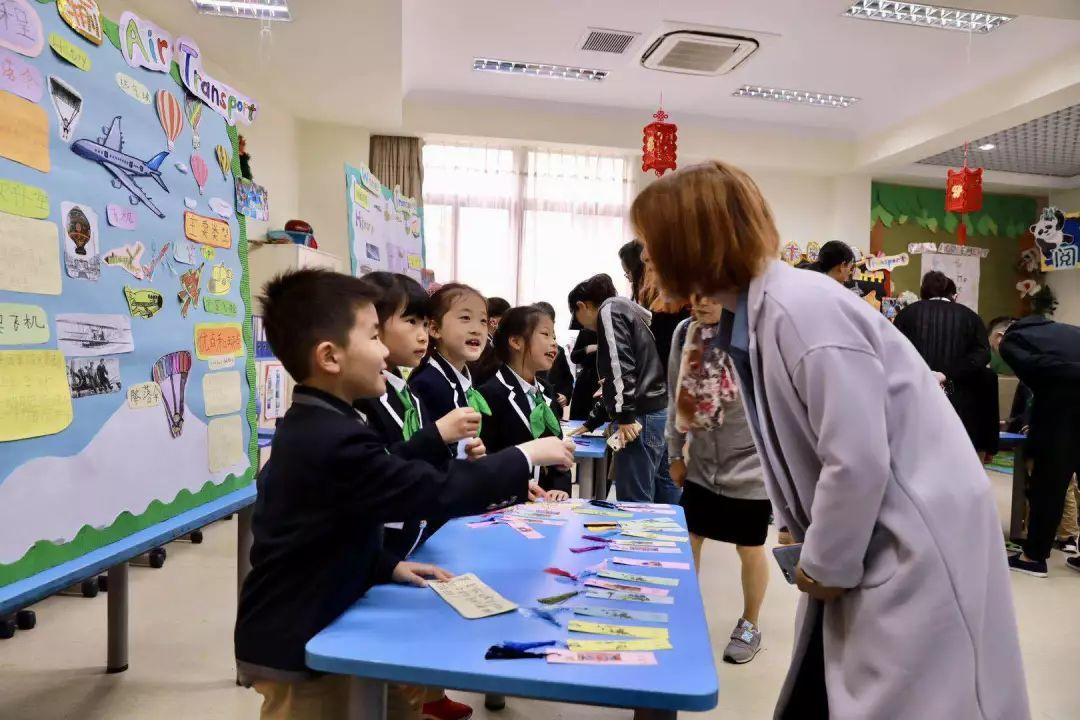
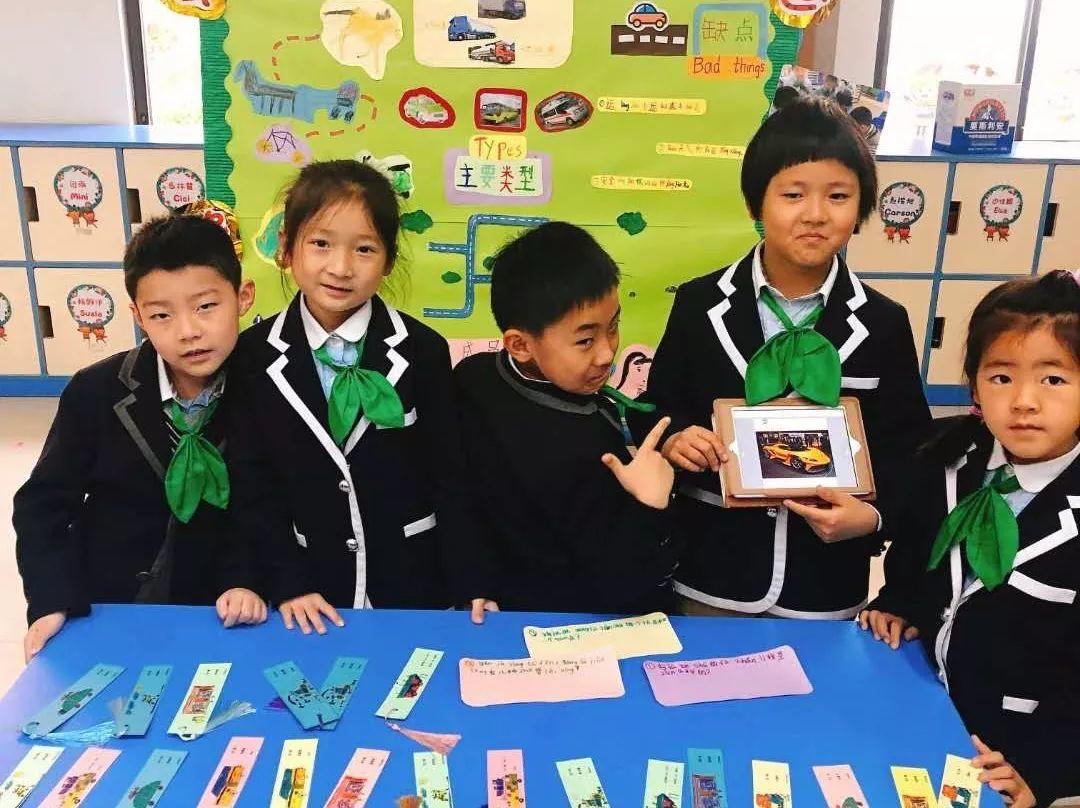
在這個單元介紹了各種各樣的交通工具。除了常見的交通工具外,還包括一些在現代社會已經消失的交通工具。這讓孩子們了解到了交通工具的歷史是根據人們日常生活的需求所推動的。在交通工具的選擇上,孩子們第一次接觸到了“成本”這個概念。孩子們第一次發現,選擇交通工具不僅僅只憑借快捷、方便這兩個原因,還要考慮時間成本、運輸成本和運貨量。這讓他們明白了每一個交通工具存在的價值。在學習了交通工具的過去和現在后,孩子們也展望了交通工具的未來,通過自己的想象設計了適合未來日常生活所使用的交通工具。This unit introduced different transportation to the student. Expect the common kinds of transport we can see in our daily life, students also knew some kinds of transport that have disappeared in modern society. This taught the children that the history of transportation was driven by the needs of people’s daily life.
04
世界如何運作How the world works
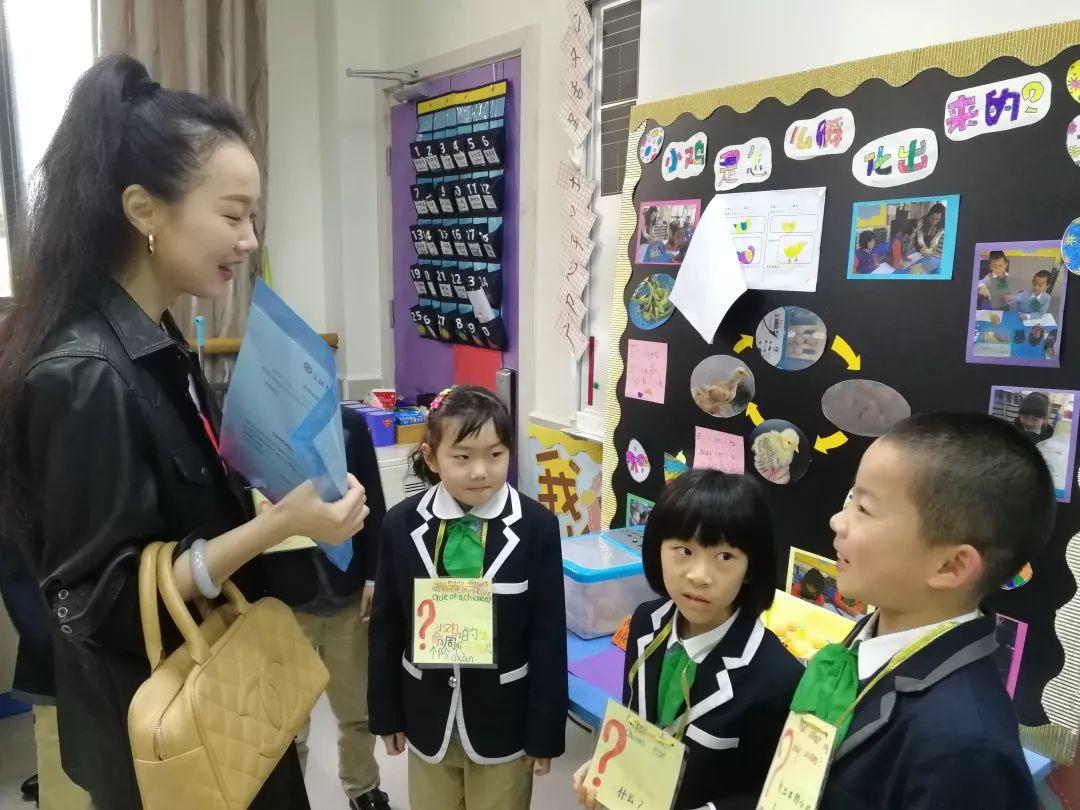
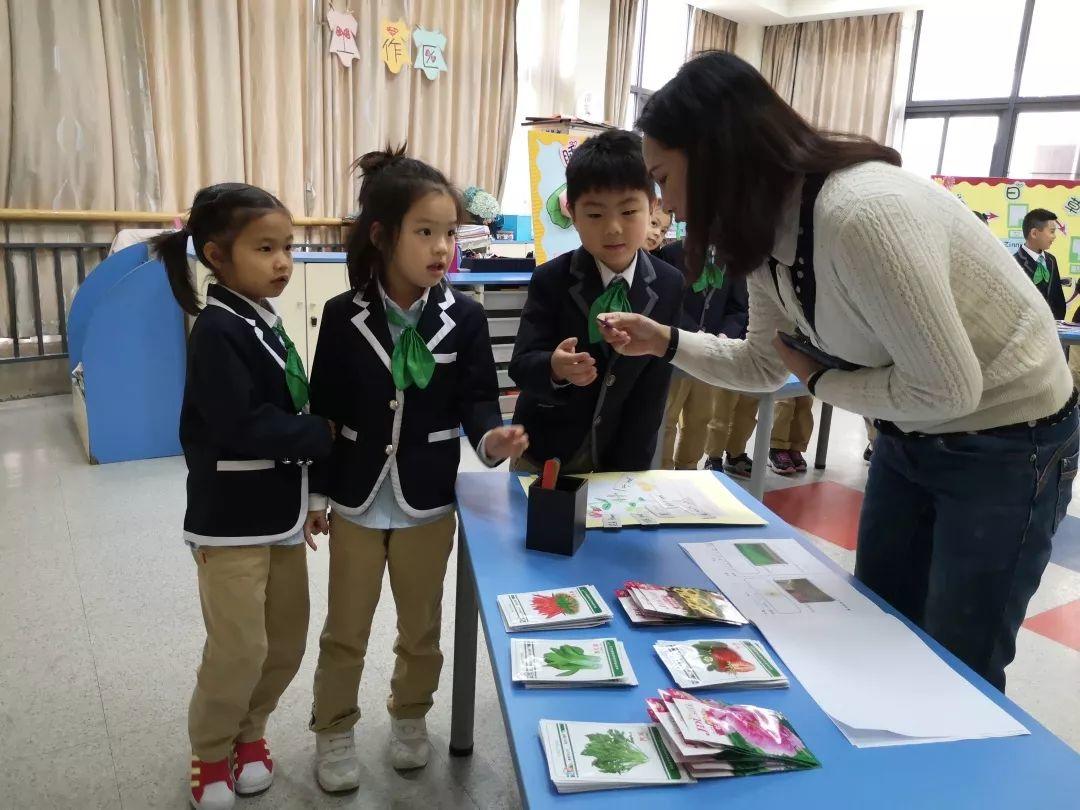
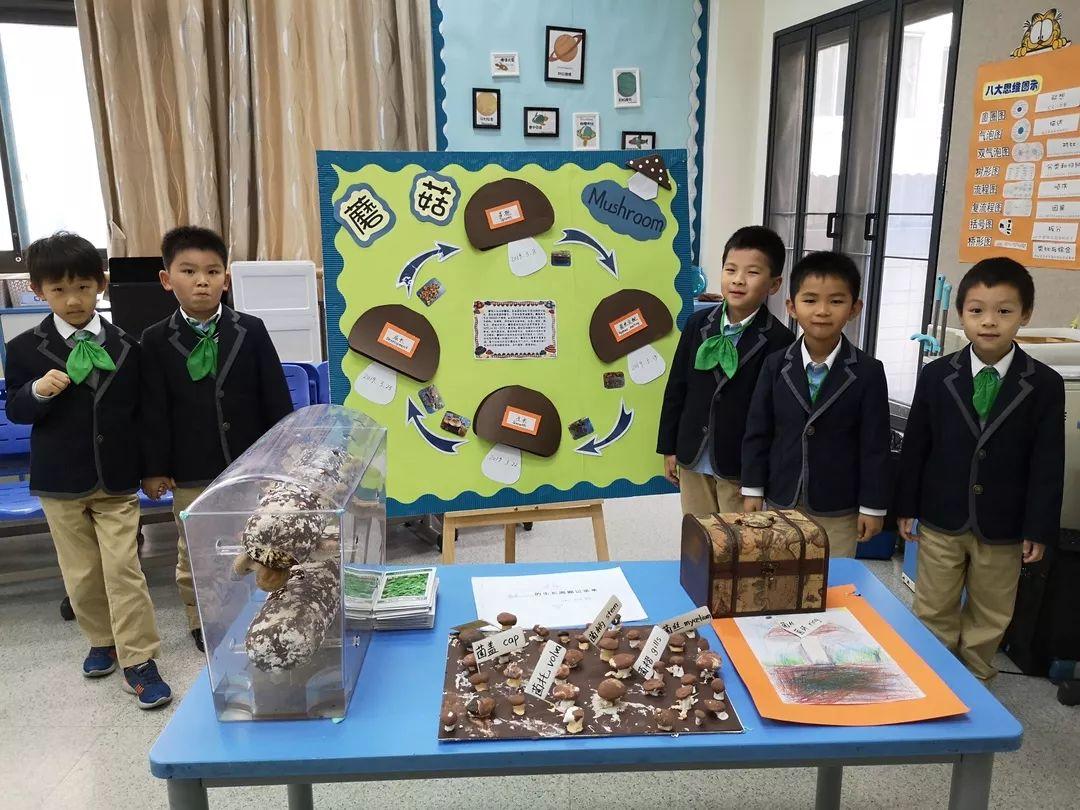
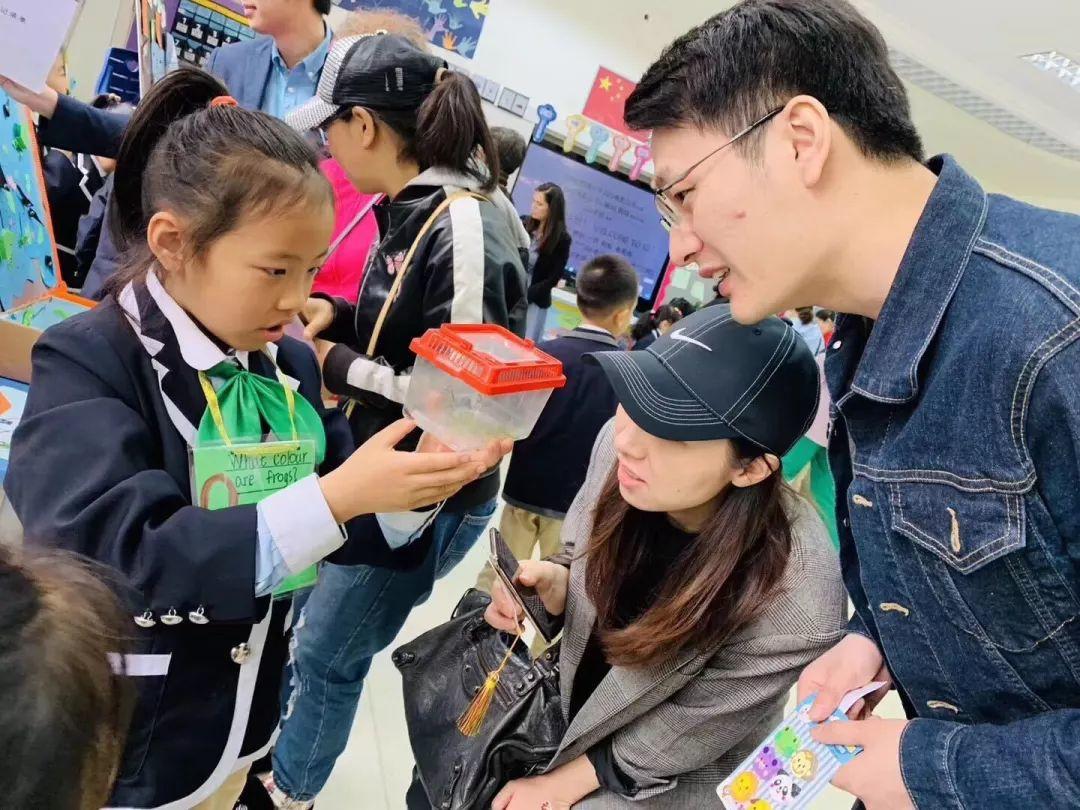
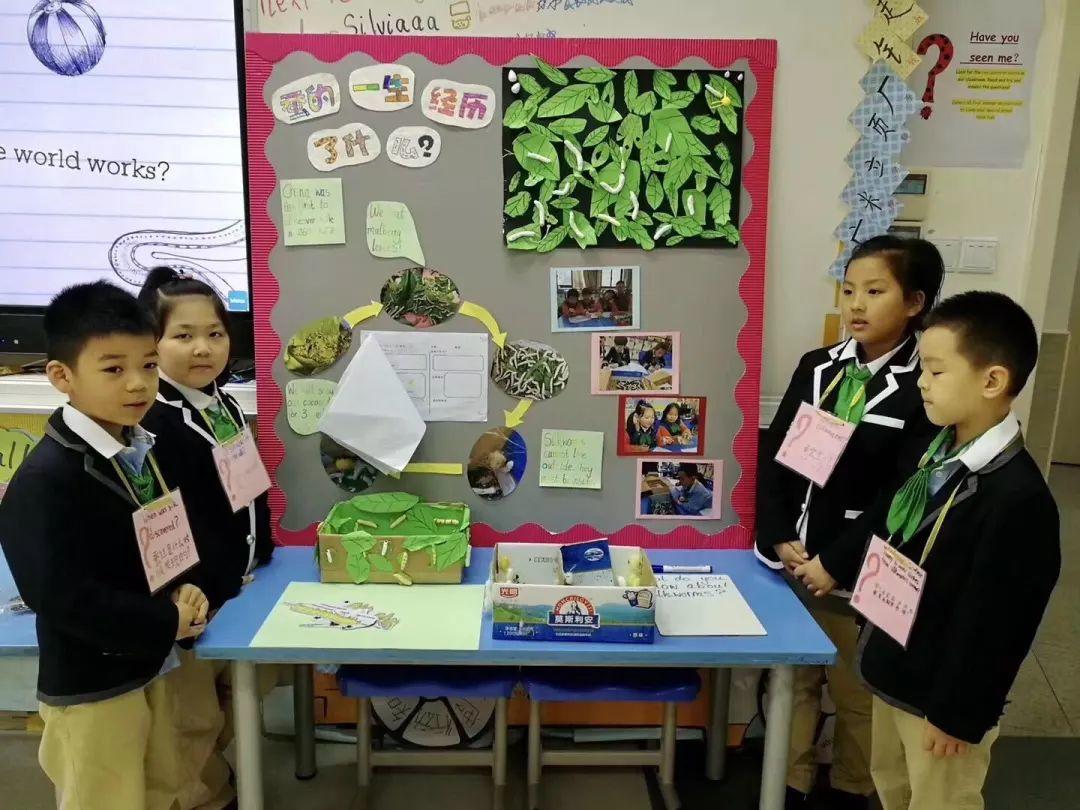
“世界如何運作”這個單元孩子們探究了生物的變化過程。在這個單元中,孩子們見到了泥土里慢慢鉆出綠苗,木樁上漸漸爬滿蘑菇,小蝌蚪悄悄長出后腿,蠶寶寶靜靜吐絲結繭,小雞一點點破殼而出。每一次變化都鮮活得展現在了孩子的眼前,在感受變化的同時也讓孩子們見識到了生命的奇妙。“How the world works”, explores the process changing of a living thing. In this unit children saw the soil drill out green seedlings, stakes gradually covered with mushrooms, tadpoles have their legs to become frogs, silkworms growing bigger and bigger than turns to cocoons, chicks born by breaking their egg shells. Every change is vividly displayed in front of children's eyes. While experiencing the change, children can also experience a wonderful life.
05
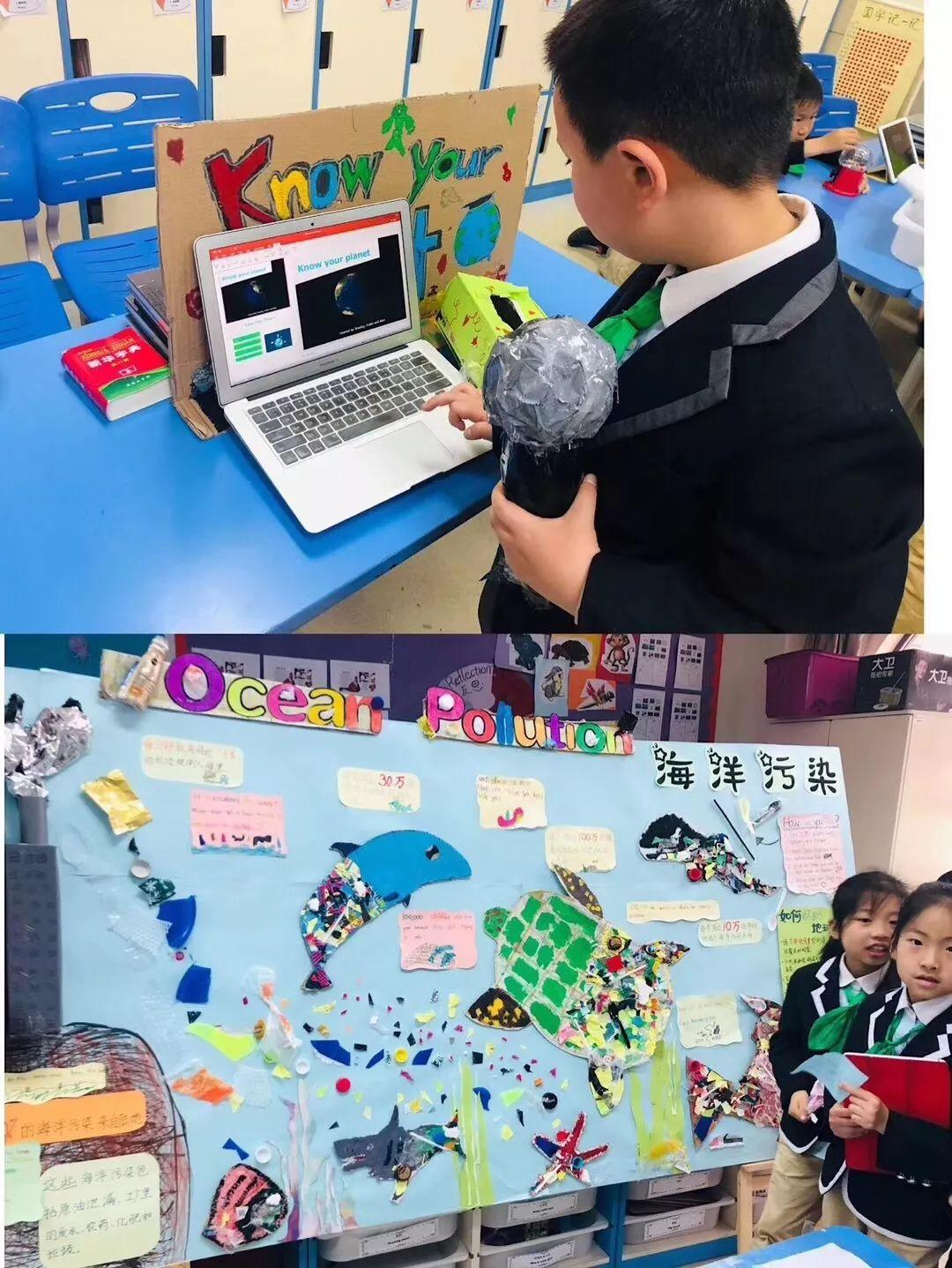
共享地球Sharing the planet
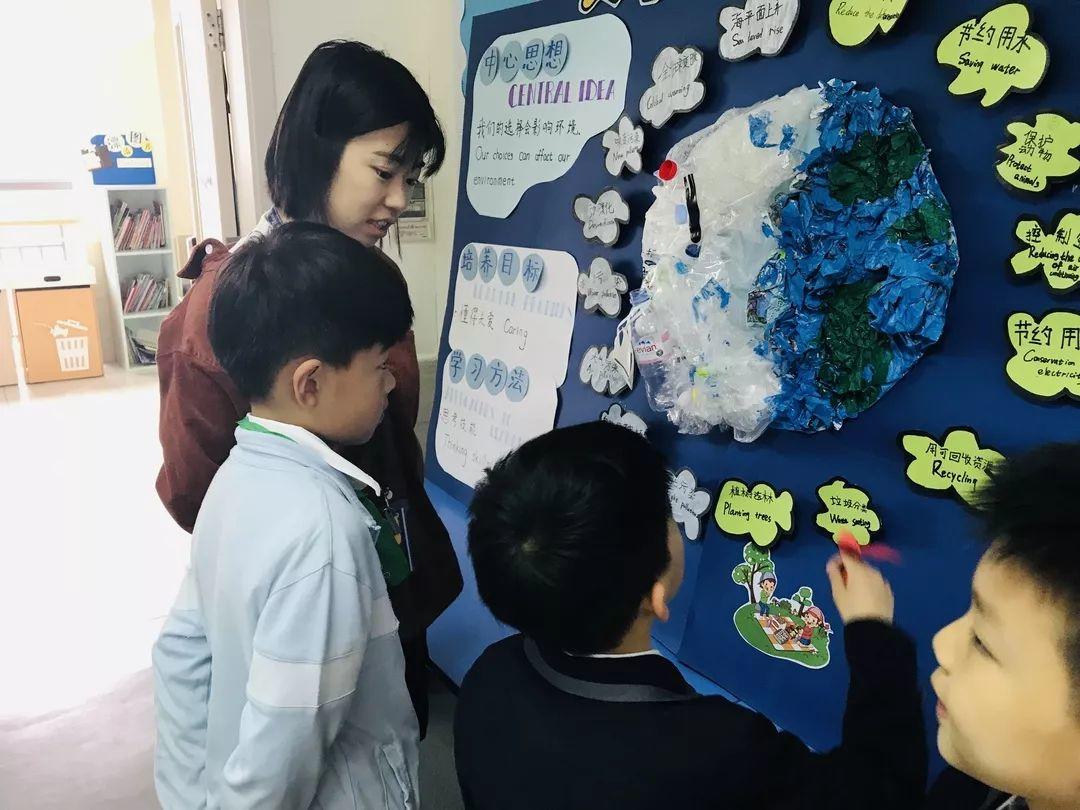
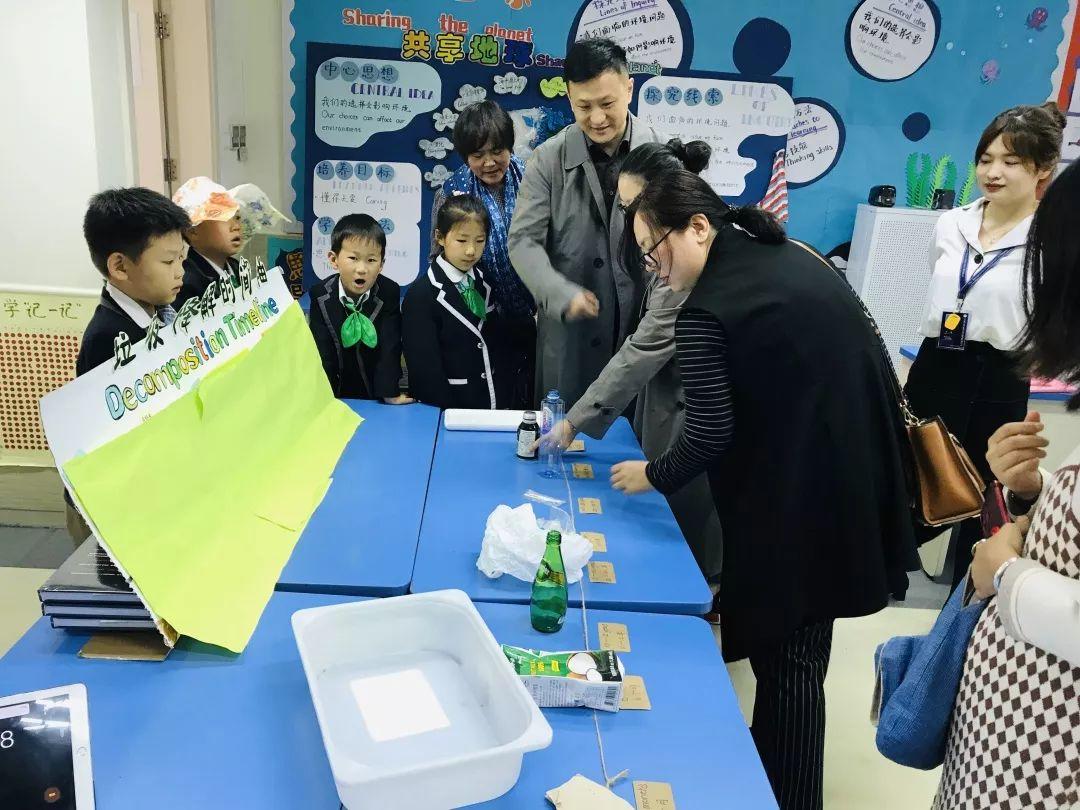
最新學習的“共享地球”,讓孩子們意識到我們所居住的星球的寶貴,孩子們也體會到了人類的每個選擇,都會對我們的地球帶來不可或缺的影響。一個小小的行動,可以給地球的環境帶來不可挽回的打擊,也可以給地球帶來可持續的發展。保護地球,與每個人息息相關。In the lasted learning unit “Sharing the planet”, students learned that the planet we inhabit is precious and that every human choice has an indispensable impact on our planet. A small action can bring irreparable damage to the earth's environment, it can also bring sustainable development to the earth. Protecting the earth is closely related to everyone.
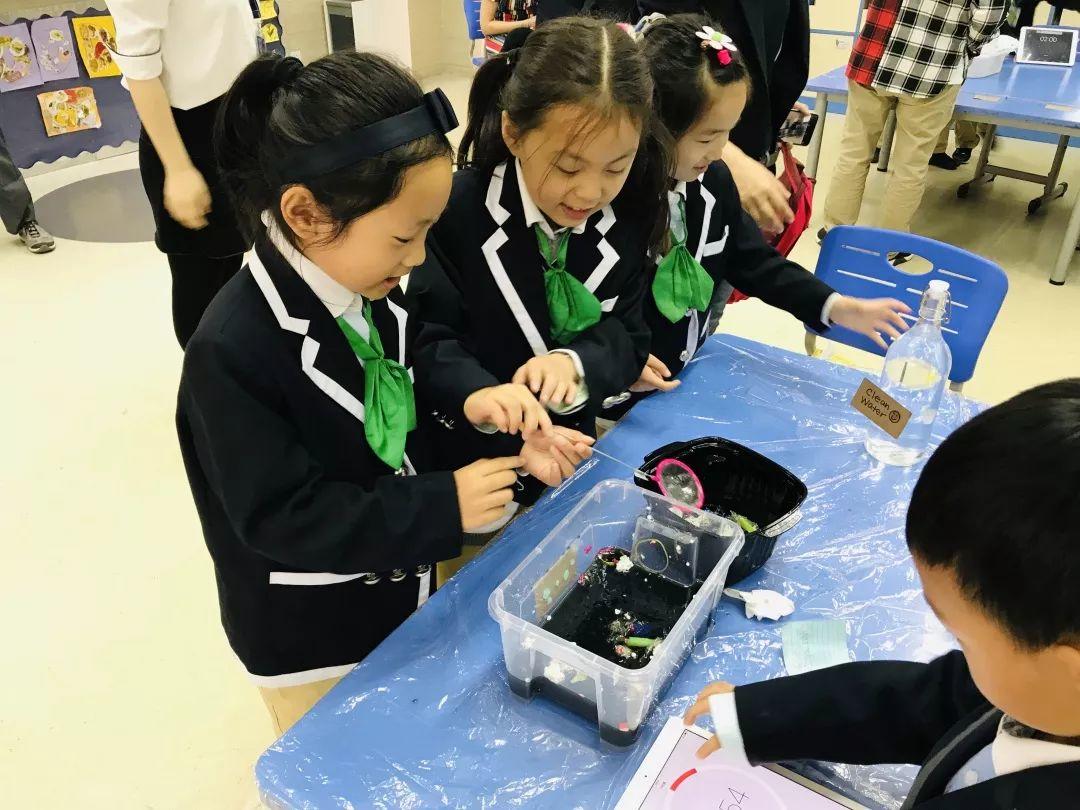
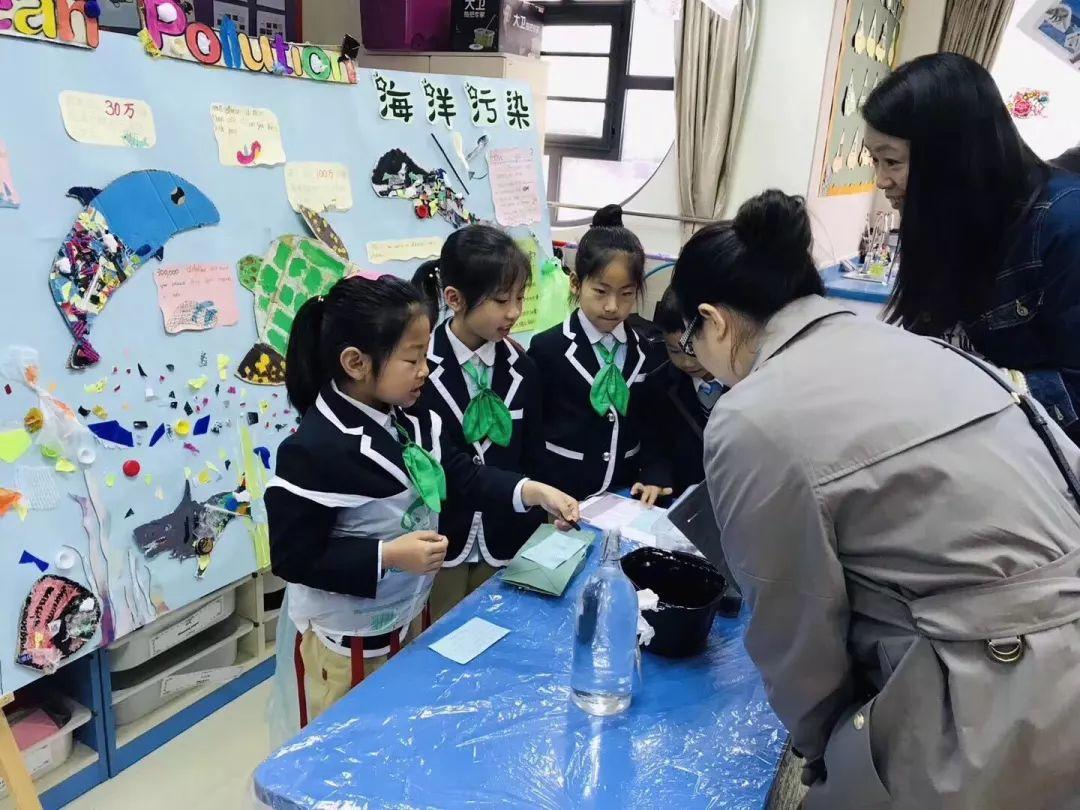
課程展雖然已經落幕,但是孩子們對世界的探究、對自我的認知依然還在繼續......Although the assembly has come to an end, out students’ exploration of the world and elf-cognition are still continuing.

翰林AMC8視頻課重磅上線!

國際競賽真題資源免費領取







