AQA A Level Physics復習筆記5.3.4 Potential Divider Circuits
Potential Divider Circuit When two resistors are connected in series, through Kirchhoff’s Second Law, the potential difference across the power source is divided between them Potential divid...
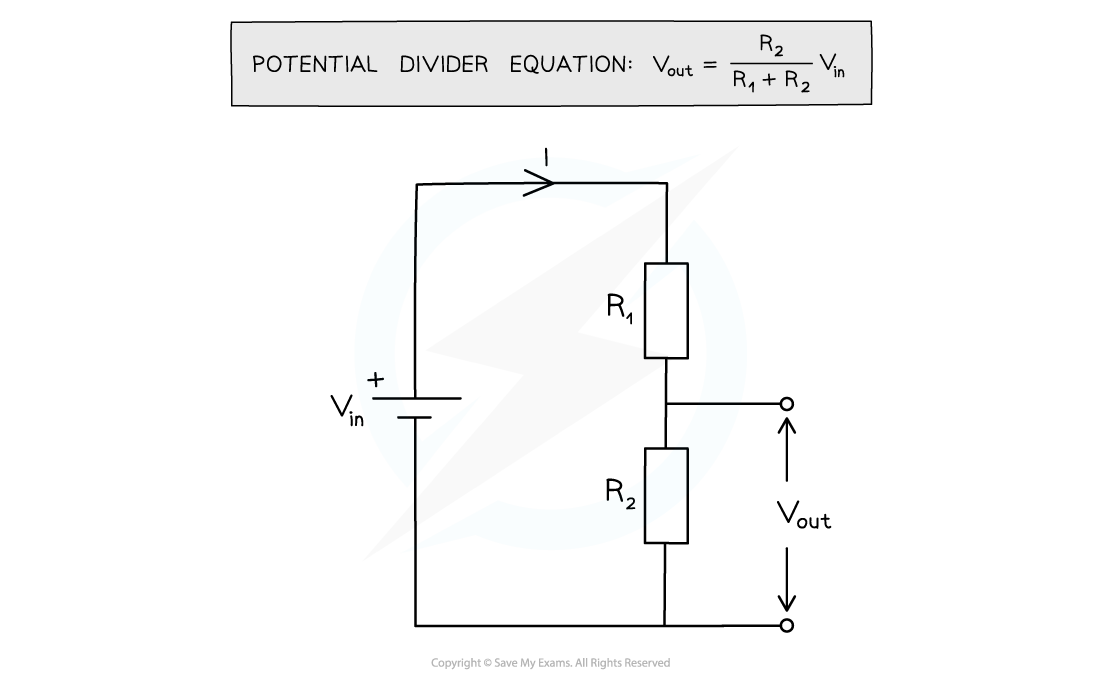
Potential Divider Circuit When two resistors are connected in series, through Kirchhoff’s Second Law, the potential difference across the power source is divided between them Potential divid...

Energy & Power In mechanics, power?P?is defined as the?rate of doing work The potential difference is the?work done per unit charge Current is the?rate of flow of charge Therefore...
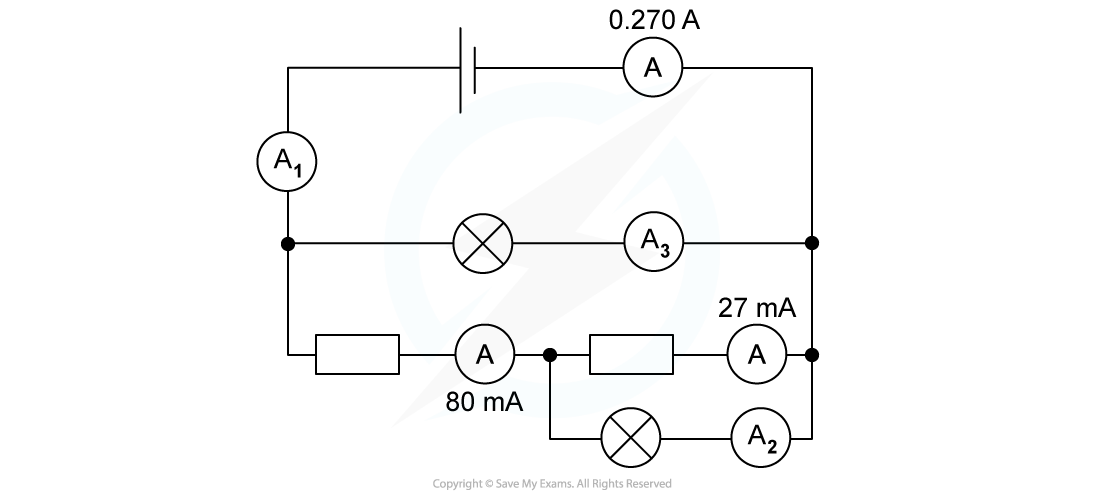
Series & Parallel Circuits Current In a?series?circuit, the current is the?same?for all components In a?parallel?circuit, the current is split across the different branches (or junction)...
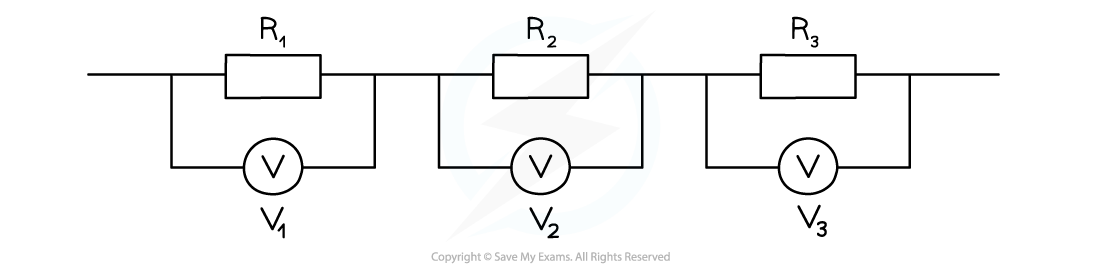
Resistors in Series & Parallel Resistors in Series When two or more components are connected in series: The combined resistance of the components is equal to the sum of individual resist...
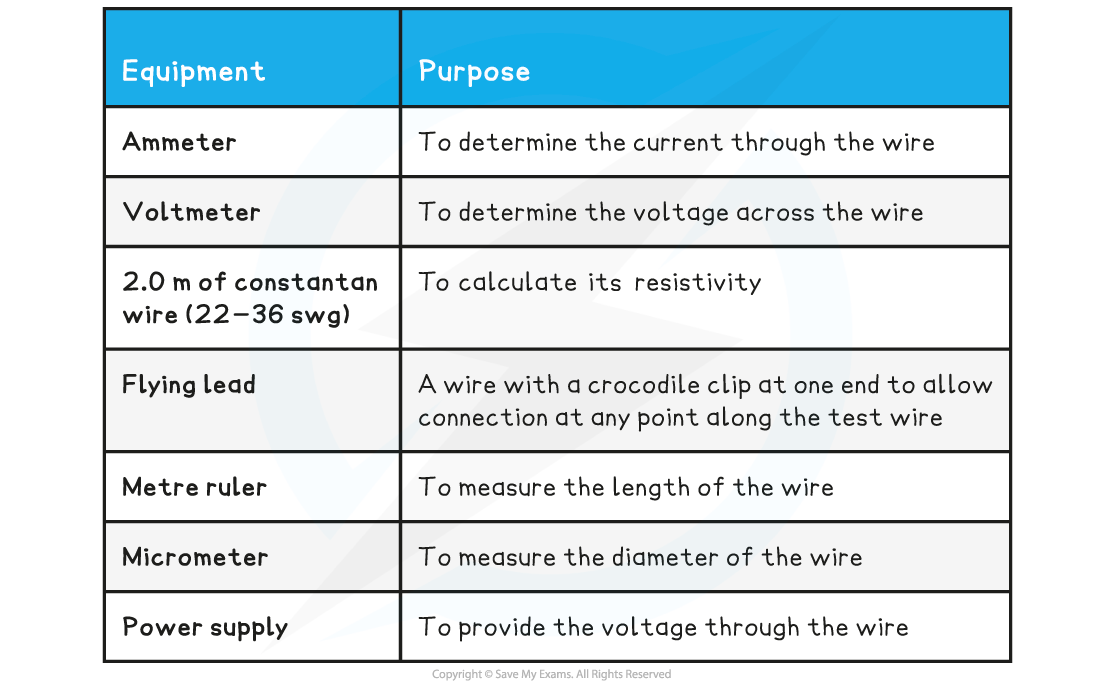
Required Practical: Investigating Resistivity Aims of the Experiment The aim of the experiment is to determine the resistivity of a 2 metre constantan wire Variables: Independent variable?= ...
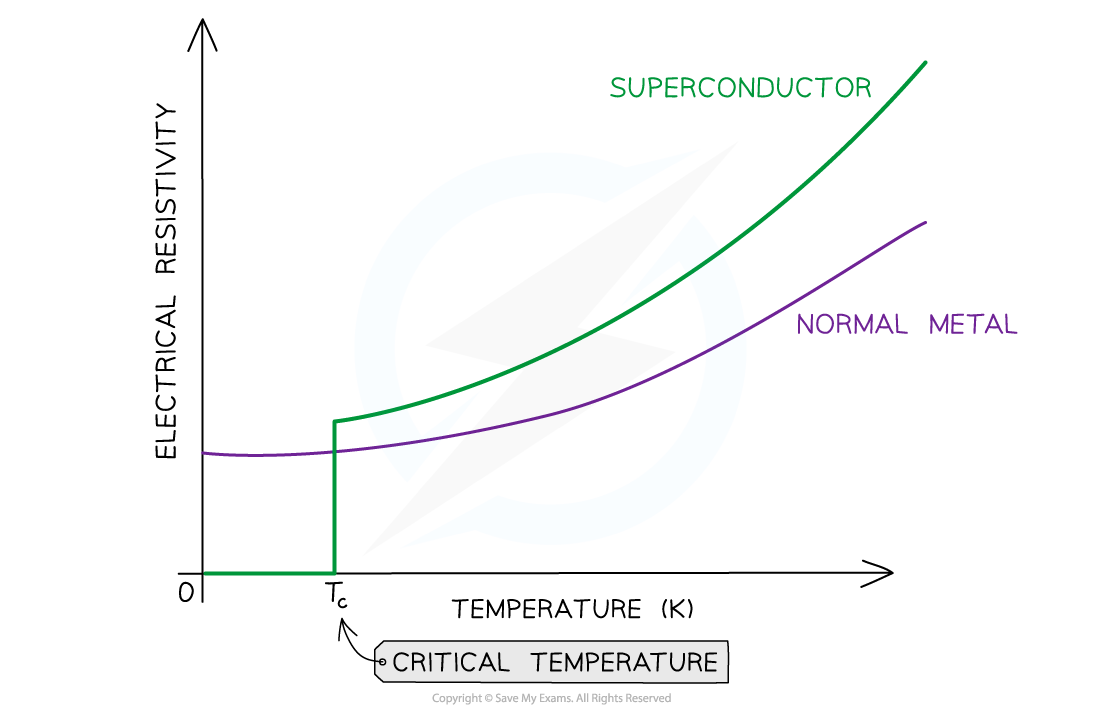
Superconductivity All materials have some resistivity - even good electrical conductors such as copper and silver Resistance means that when electricity flows through a material, it heats up...
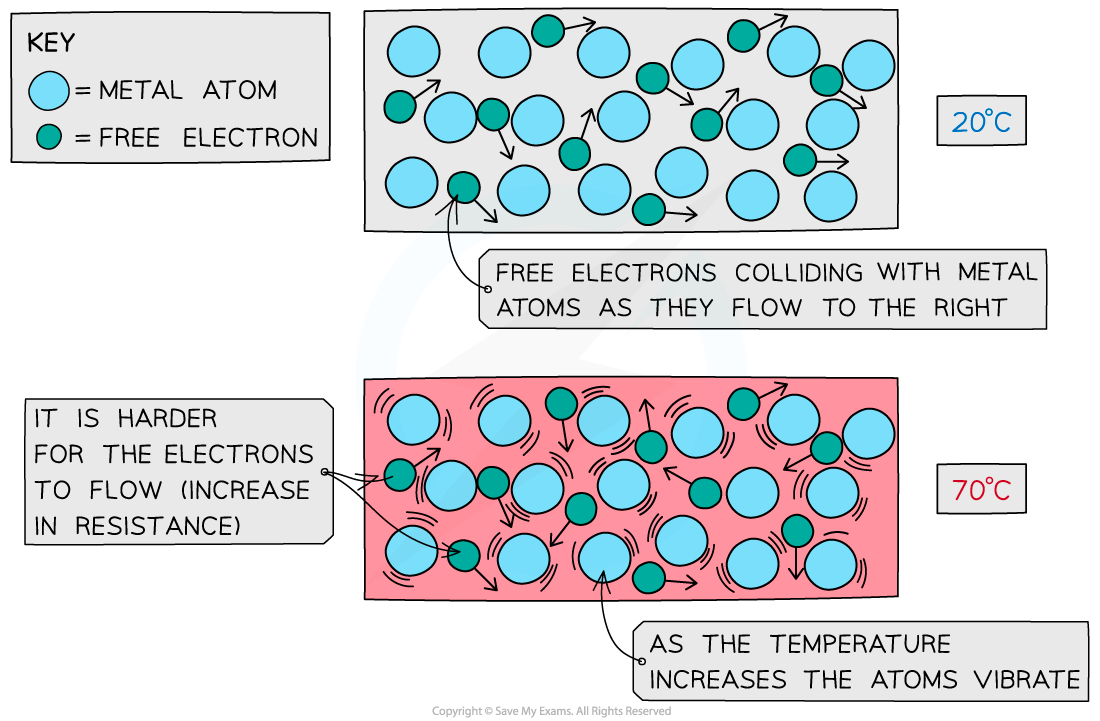
Temperature & Resistance All solids are made up of vibrating atoms The higher the temperature, the faster these atoms vibrate Electric current is the flow of free electrons in a m...
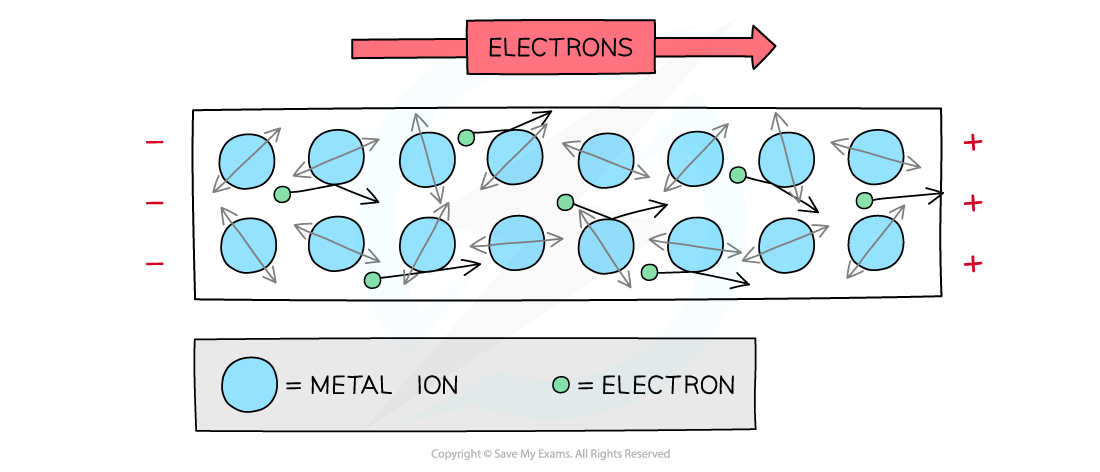
Resistivity All materials have some?resistance?to the flow of charge As?free?electrons?move?through a metal wire, they collide with ions which get in their way As a result, they?transfer?som...

Ohm's Law Ohm’s law states: For a conductor at a constant temperature, the current through it is proportional to the potential difference across it Constant temperature implies constant resi...





