AQA A Level Physics復習筆記2.3.4 Feynman Diagrams
Feynman Diagrams Feynman diagrams are a clear way of representing particle interactions in terms of their incoming and outgoing particles and exchange particles Although there are many varia...
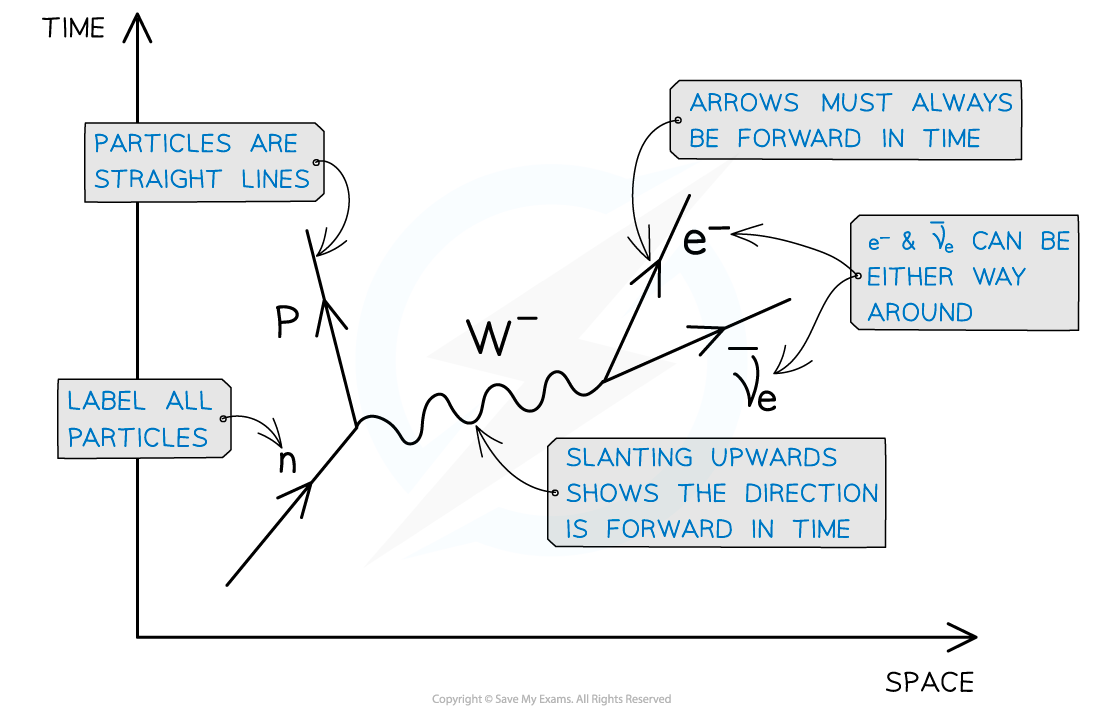
Feynman Diagrams Feynman diagrams are a clear way of representing particle interactions in terms of their incoming and outgoing particles and exchange particles Although there are many varia...

The Weak Interaction The weak interaction?is responsible for the radioactive decay of atoms The exchange particle that carries this force is the?W–,?W+?or?Z0?boson The type of exchange parti...
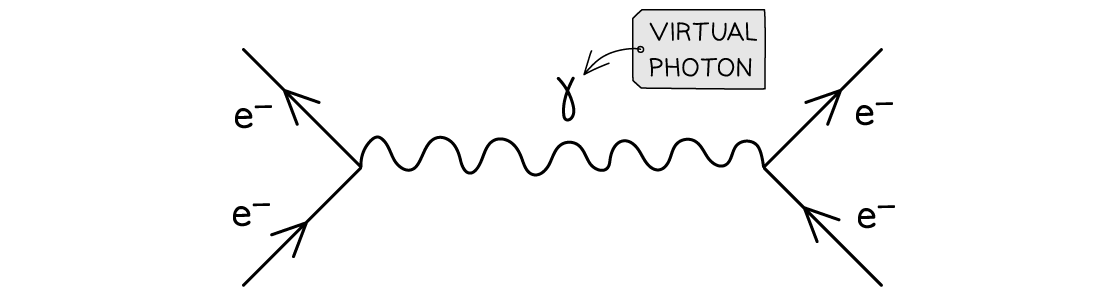
The Electromagnetic Force The electromagnetic force is only between charged particles The exchange particle that carries this force is the?virtual photon, γ Properties of the photon are: It ...
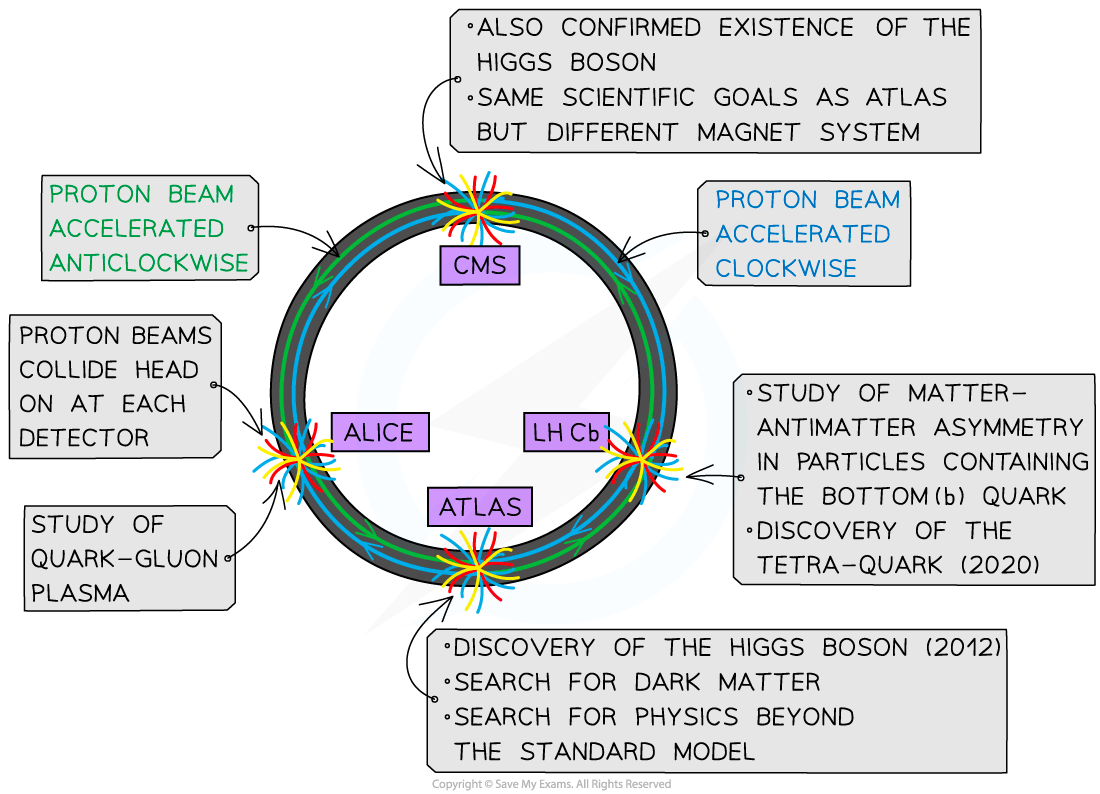
Collaborative Efforts in Particle Physics The field of particle physics is constantly changing and as time goes on, our knowledge and understanding of the nature of particles changes too Par...
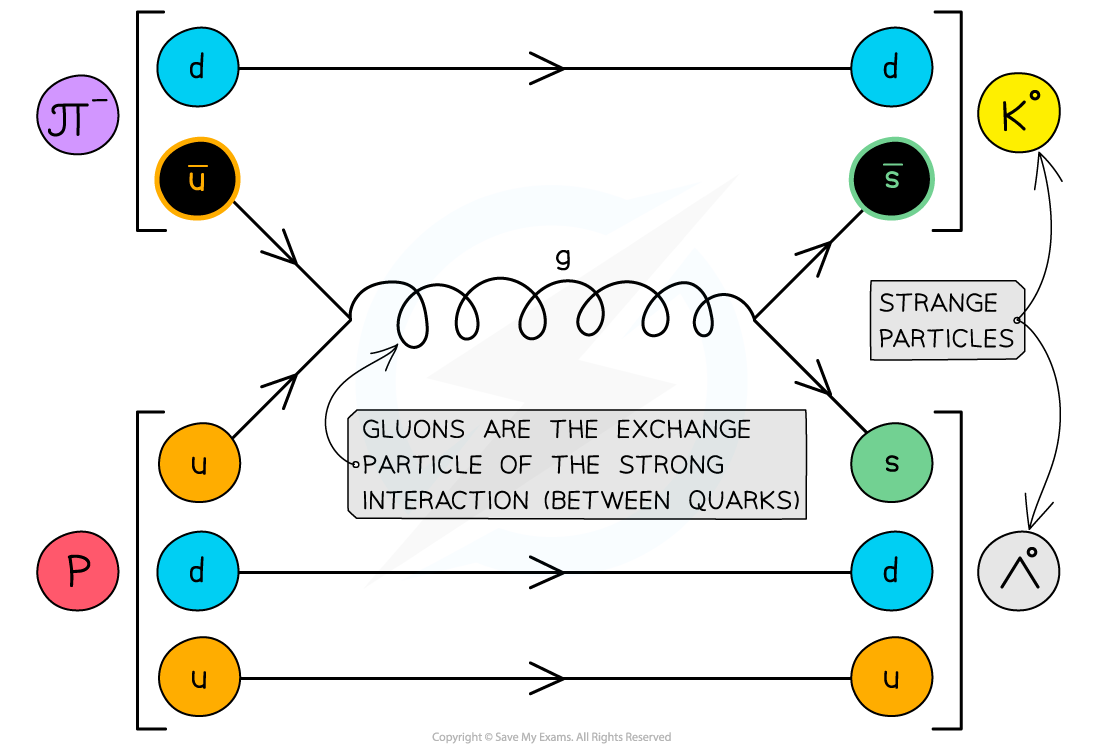
Strange Particles Strange particles are particles that include a?strange?or?anti-strange?quark An example of these are?kaons Strange particles always: Are produced through the?strong?interac...

Properties of Quarks & Antiquarks Quarks The three most common flavours of quarks are:?up, down?and?strange The majority of hadrons are made up of different combinations of these quarks ...
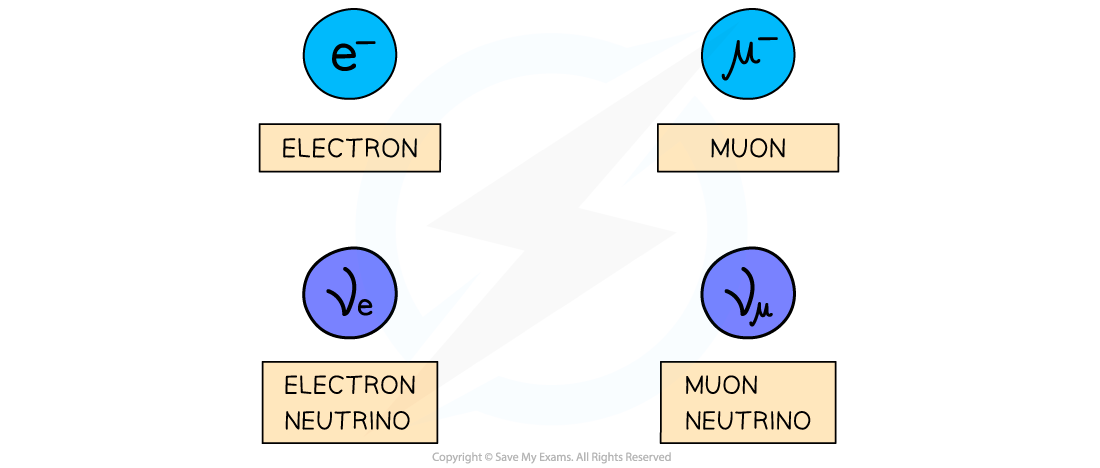
Leptons & Antileptons Leptons?are a group of?fundamental?(elementary) particles This means they are not made up of any other particles (no quarks) Leptons interact with other part...
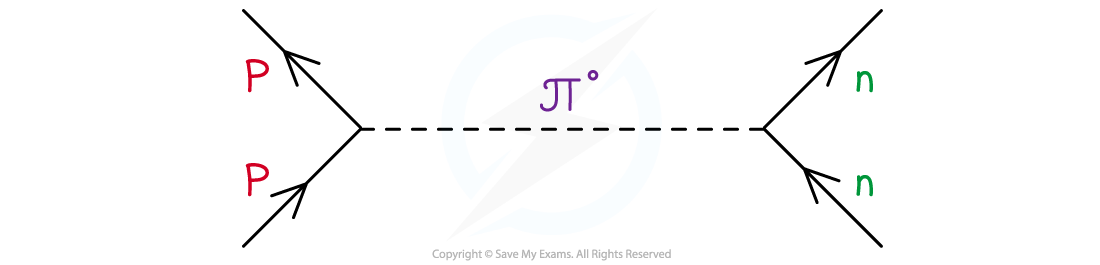
Pions & The Strong Nuclear Force Pions Pions (π–mesons) can be positive (π+), negative (π–) or neutral (π0) The anti–particle of the positive pion is the negative pion (and vice versa) T...
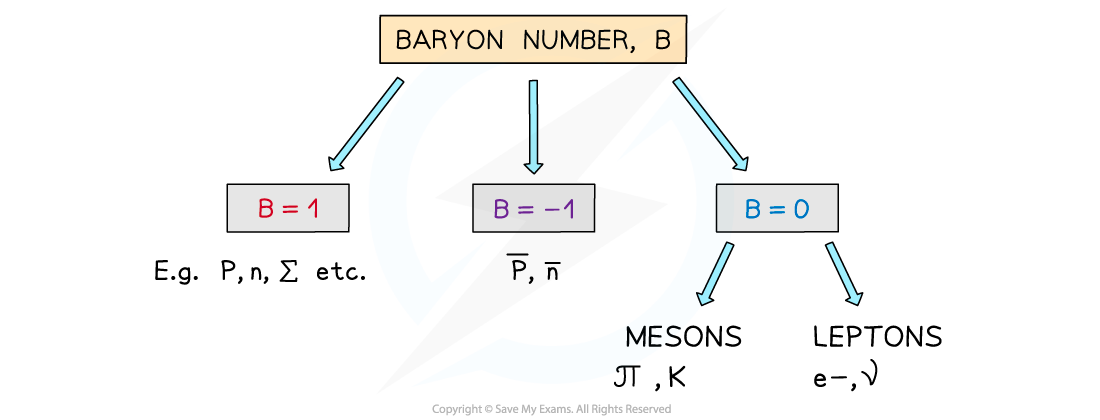
Baryon Number The baryon number,?B, is the number of baryons in an interaction B?depends on whether the particle is a baryon, anti-baryon or neither Baryons have a baryon number?B?= +1 Anti-...





