AQA A Level Biology復(fù)習(xí)筆記2.1.7 Viruses
Key Features of Viruses Viruses?are?non-cellular infectious particles?that straddle the boundary between ‘living’ and ‘non-living’ They are relatively simple in structure; much smaller than ...
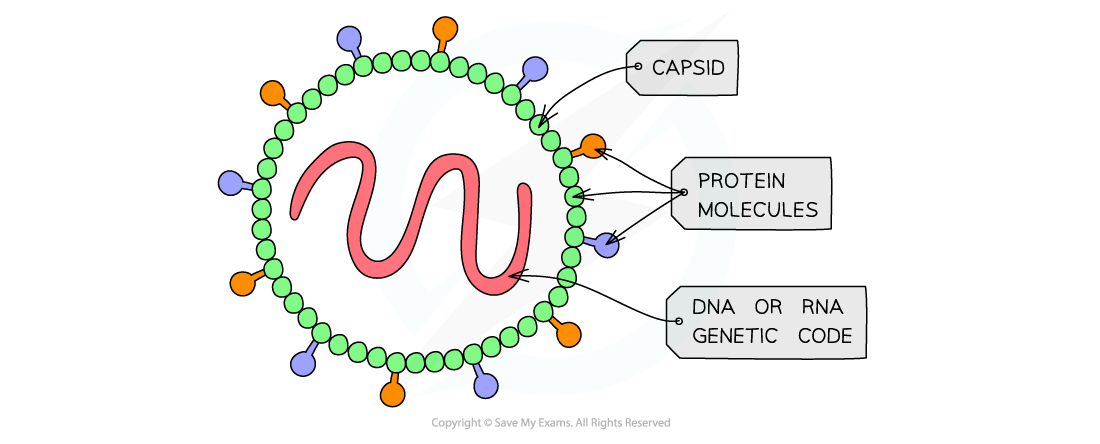
Key Features of Viruses Viruses?are?non-cellular infectious particles?that straddle the boundary between ‘living’ and ‘non-living’ They are relatively simple in structure; much smaller than ...
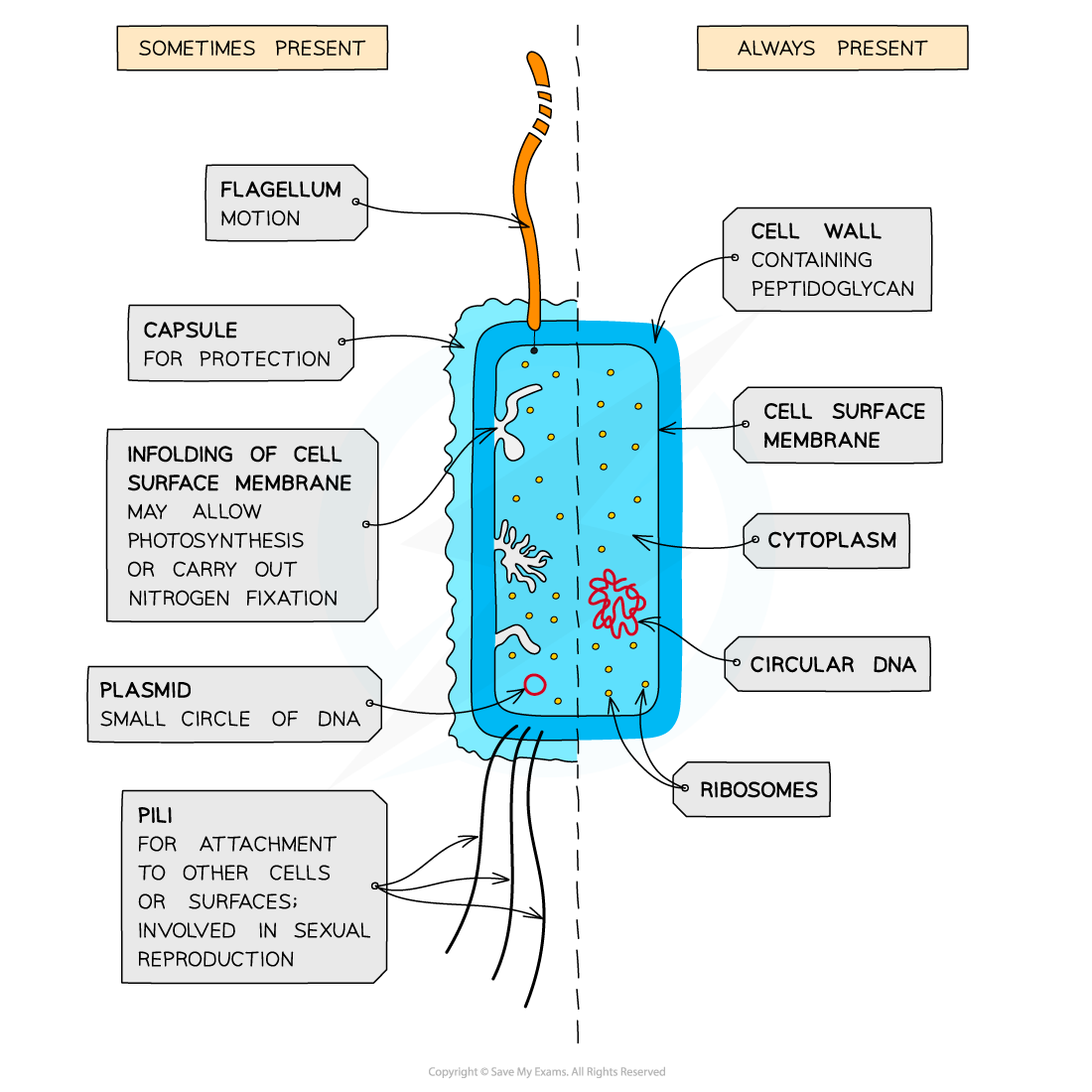
Prokaryotic v Eukaryotic Cell Structures Animal and plant cells are types of?eukaryotic?cells, whereas bacteria are a type of?prokaryote Prokaryotes have a cellular structure distinct from e...
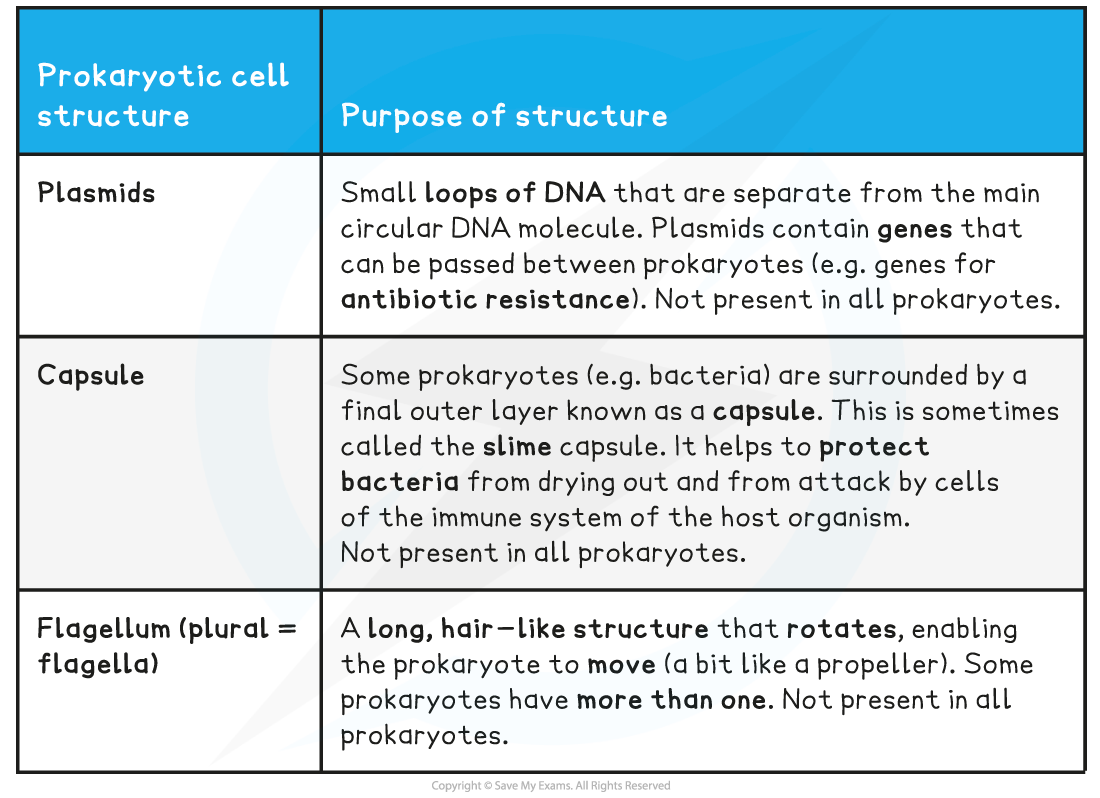
Prokaryotic Cells Animal and plant cells are types of?eukaryotic?cells, whereas bacteria are a type of?prokaryote Prokaryotic cells are much?smaller?than eukaryotic cells (between 100 - 1000...
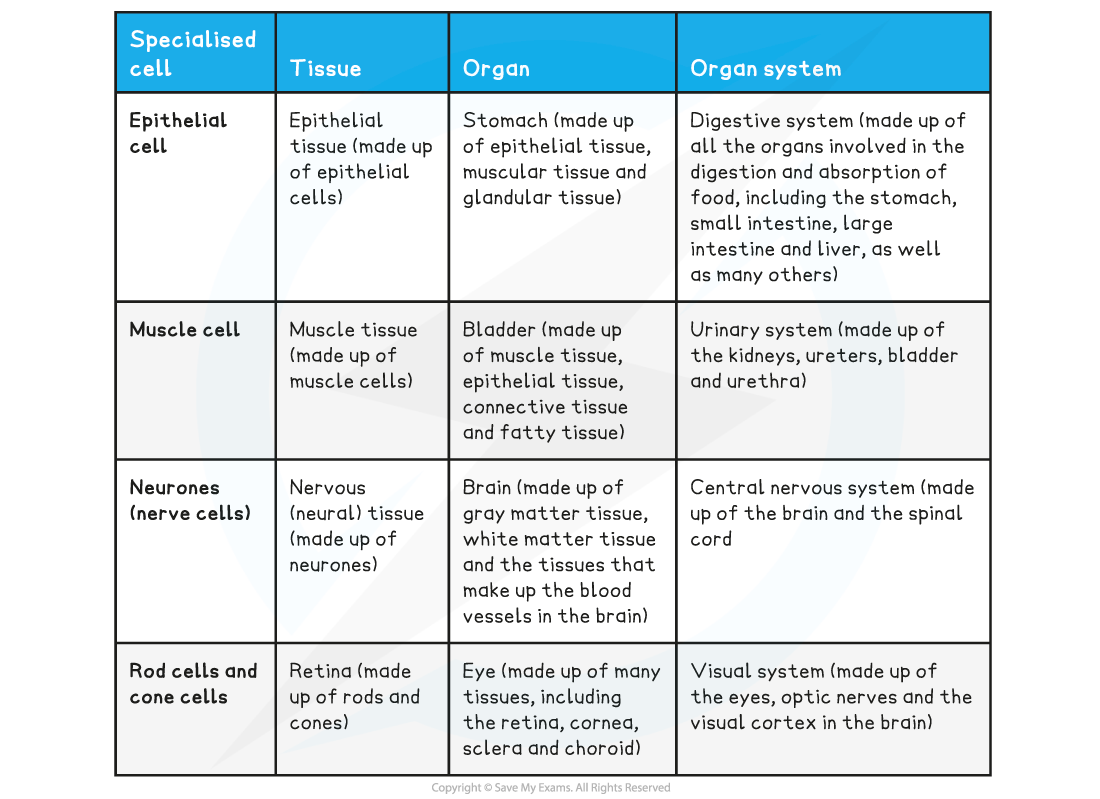
The Organisation of Cells As seen on the last page, in complex?multicellular?organisms?eukaryotic?cells become?specialised?for?specific functions. For example: Epithelial cells in the small ...
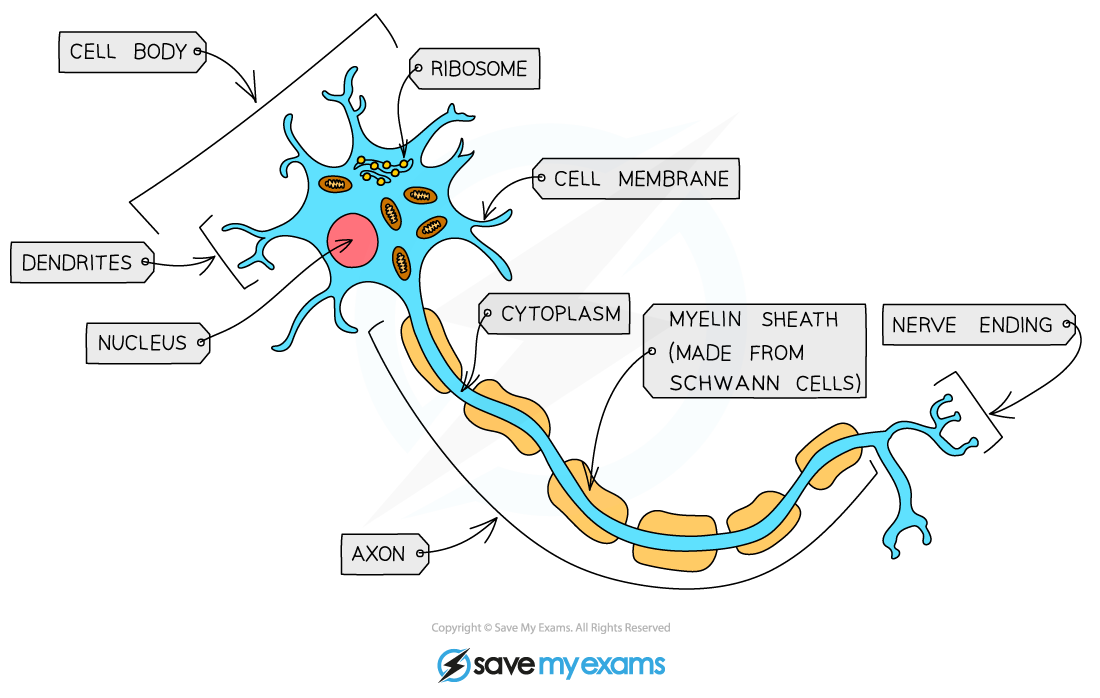
Adaptations of Eukaryotic Cells In complex?multicellular?organisms,?eukaryotic?cells become?specialised?for?specific functions These specialised eukaryotic cells have?specific adaptations?to...
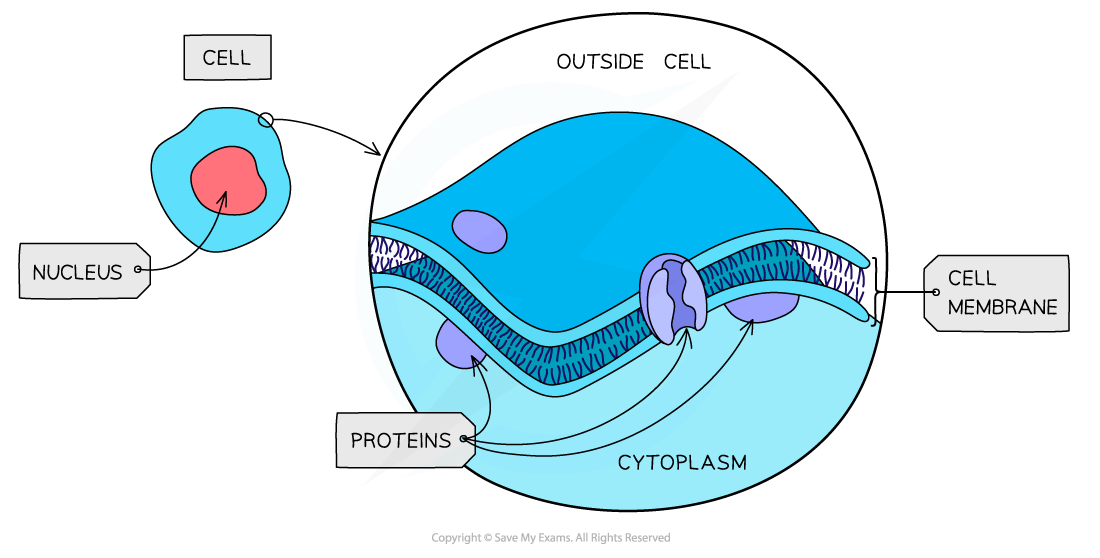
The Structure of Eukaryotic Cells Cell surface membrane The structure of the cell surface membrane – although the structure looks static the phospholipids and proteins forming the bilayer ar...

Inorganic Ions An?ion?is an atom (or sometimes a group of atoms) that has an?electrical charge An ion that has a?+ve charge?is known as a?cation An ion that has a?-ve charge?is known as an?a...
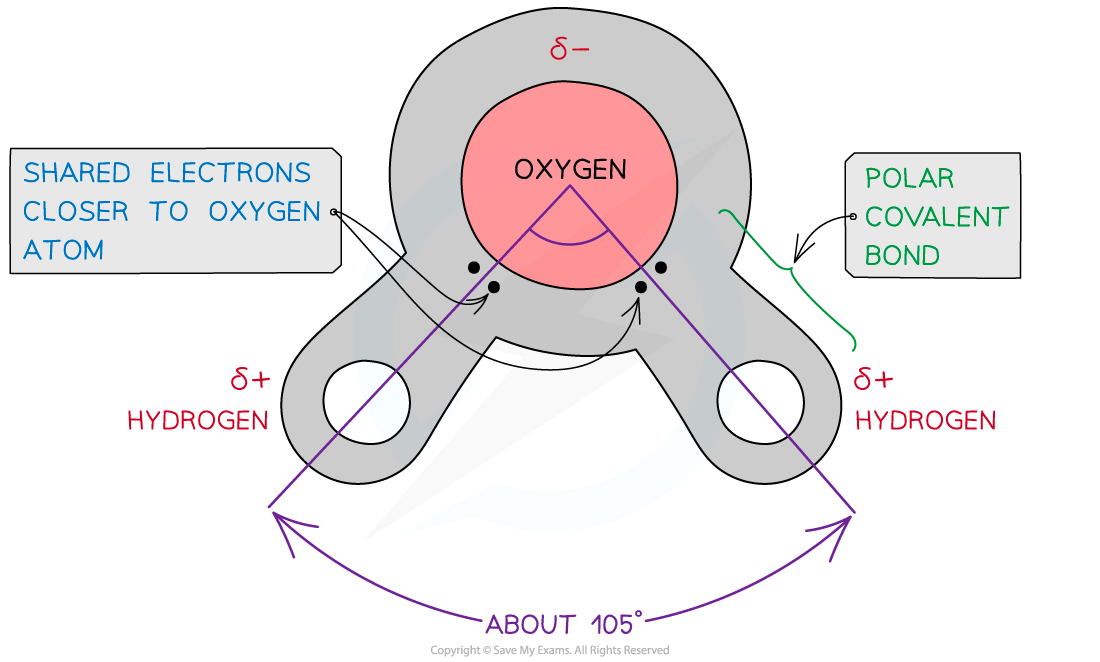
Water in Cells Water is of great biological importance. It is the medium in which all metabolic reactions take place in cells. Between 70% to 95% of the mass of a cell is water As 71% of the...
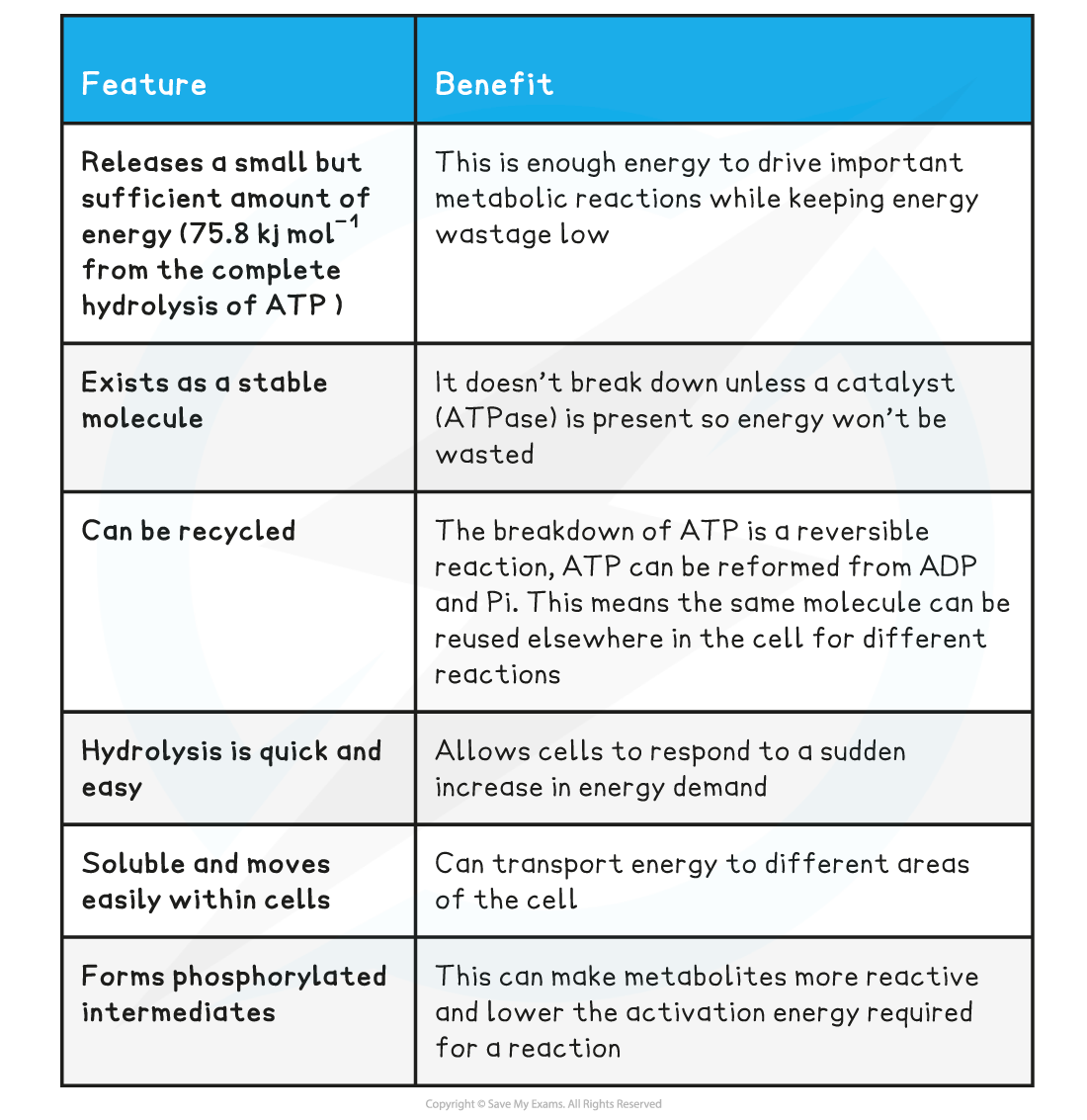
Hydrolysis of ATP Energy released during the reactions of respiration is transferred to the molecule?adenosine triphosphate?(ATP) ATP is a small and soluble molecule that provides a?short-te...





