AQA A Level Biology復(fù)習(xí)筆記1.1.3 Monosaccharides
Monosaccharides: Common Examples Sugars can be classified as reducing or non-reducing; this classification is dependent on their ability to donate electrons Reducing sugars?can?donate electr...

Monosaccharides: Common Examples Sugars can be classified as reducing or non-reducing; this classification is dependent on their ability to donate electrons Reducing sugars?can?donate electr...
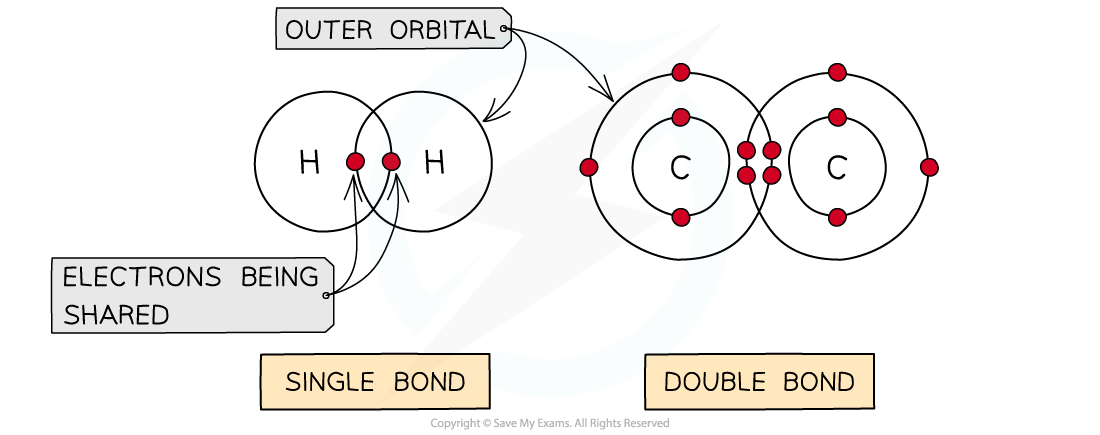
Biological Molecules: Reactions A?covalent bond?is the sharing of two or more electrons between two atoms The electrons can be shared equally forming a?nonpolar?covalent bond or unequally (w...
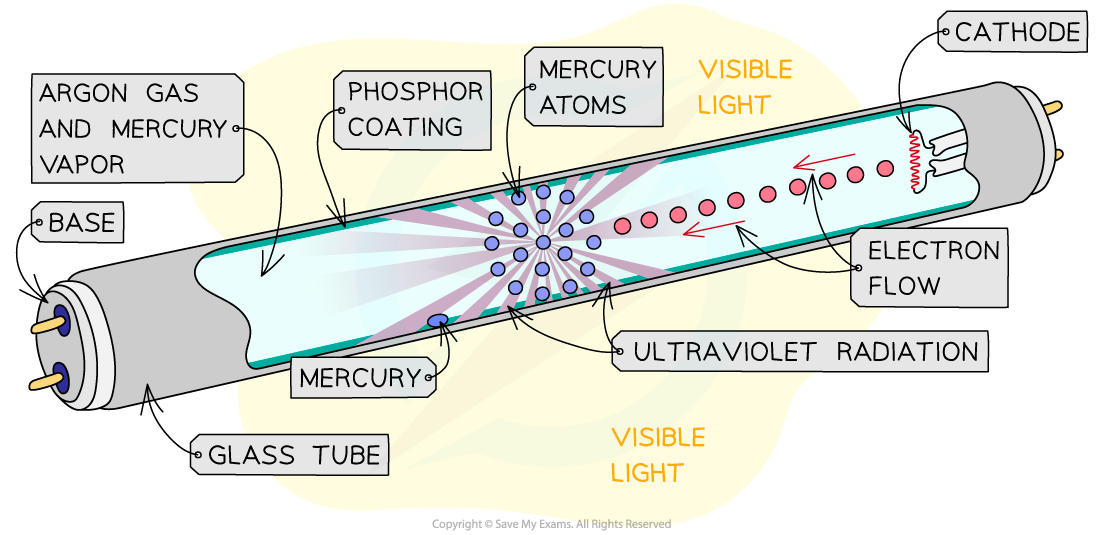
Ionisation & Excitation Ionisation?of an atom is: The removal, or addition, of an electron from, or to, an atom when given sufficient energy Excitation?of electrons is: When an electron ...

The Electronvolt The electronvolt is a unit which is commonly used to express very small energies This is because quantum energies tend to be much smaller than 1 Joule The electronvolt is de...
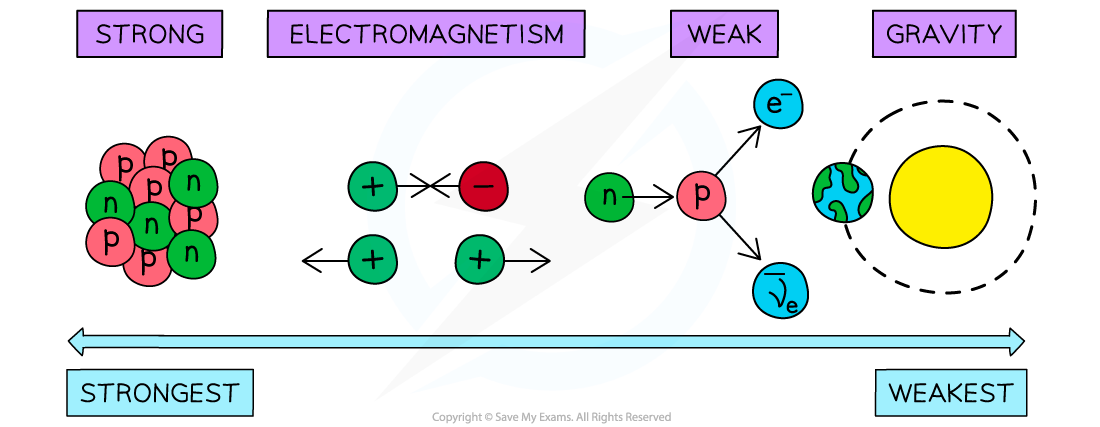
The Four Fundamental Interactions There are four fundamental interactions, or fundamental forces, that exist. These are: Gravity Electromagnetism Strong Nuclear (or Strong Interaction) Weak ...
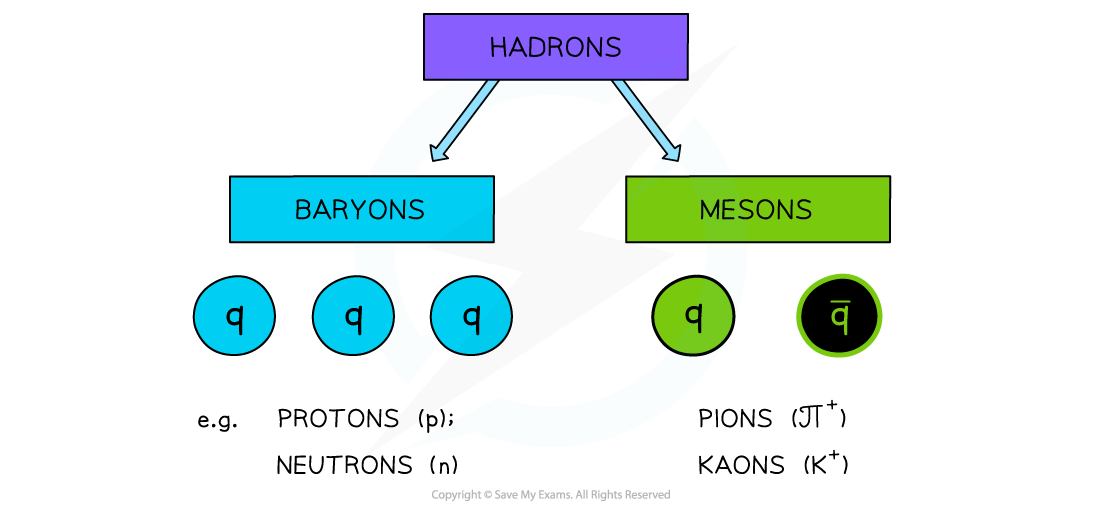
Baryons & Mesons Hadrons Hadrons?are the group of subatomic particles that are made up of quarks Therefore, hadrons can feel the?strong nuclear force There are two classes of hadrons: Ba...
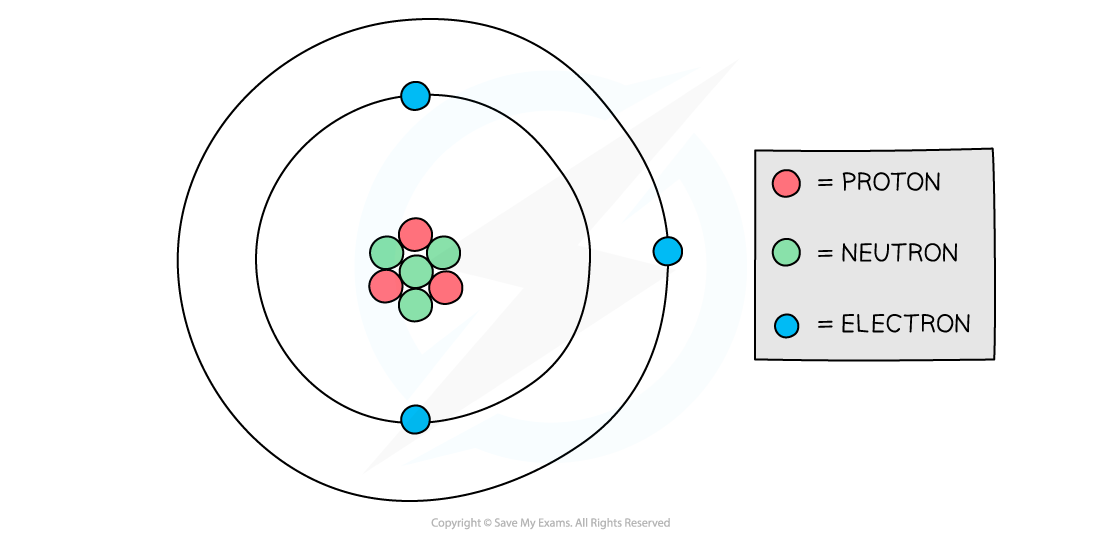
Atomic Structure The atoms of all elements are made up of three types of particles: protons, neutrons and electrons. Protons and neutrons are found in the nucleus of an atom while electrons ...
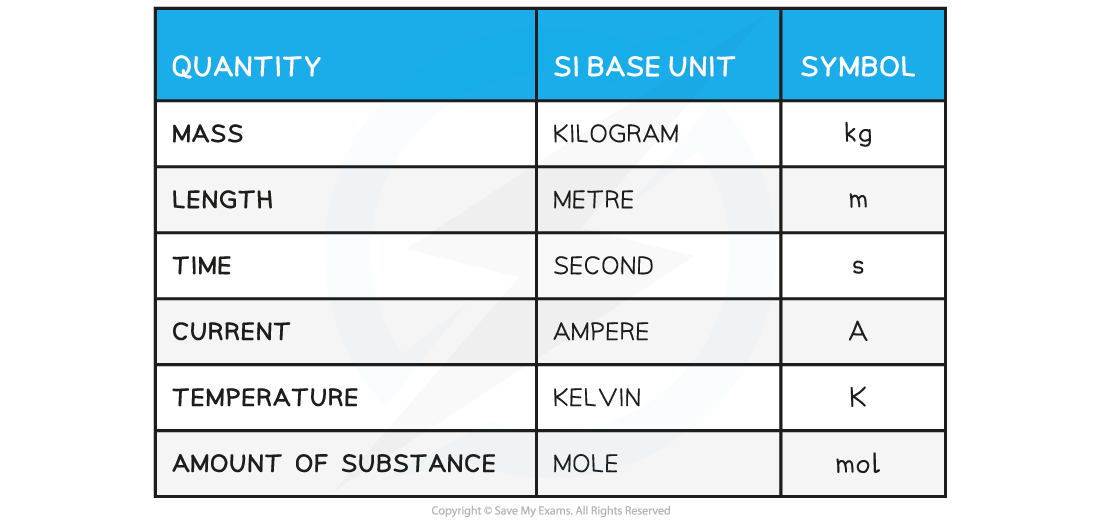
SI Base Quantities There is a seemingly endless number of units in Physics These can all be reduced to six base units from which every other unit can be derived These seven units are referre...
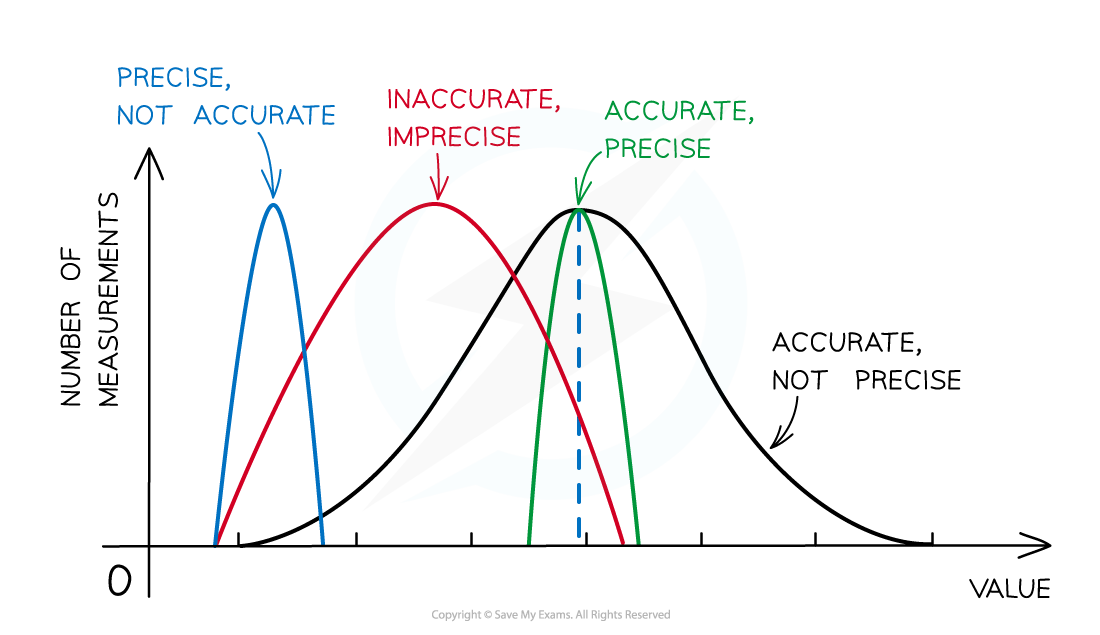
Random & Systematic Errors Measurements of quantities are made with the aim of finding the?true value?of that quantity In reality, it is impossible to obtain the true value of any quanti...





