IB DP Physics: SL復習筆記2.2.4 Newton’s Third Law
Newton’s Third Law Newton’s?third law of motion?states: Whenever two bodies interact, the forces they exert on each other are equal and opposite Newton’s third law explains the following important ...
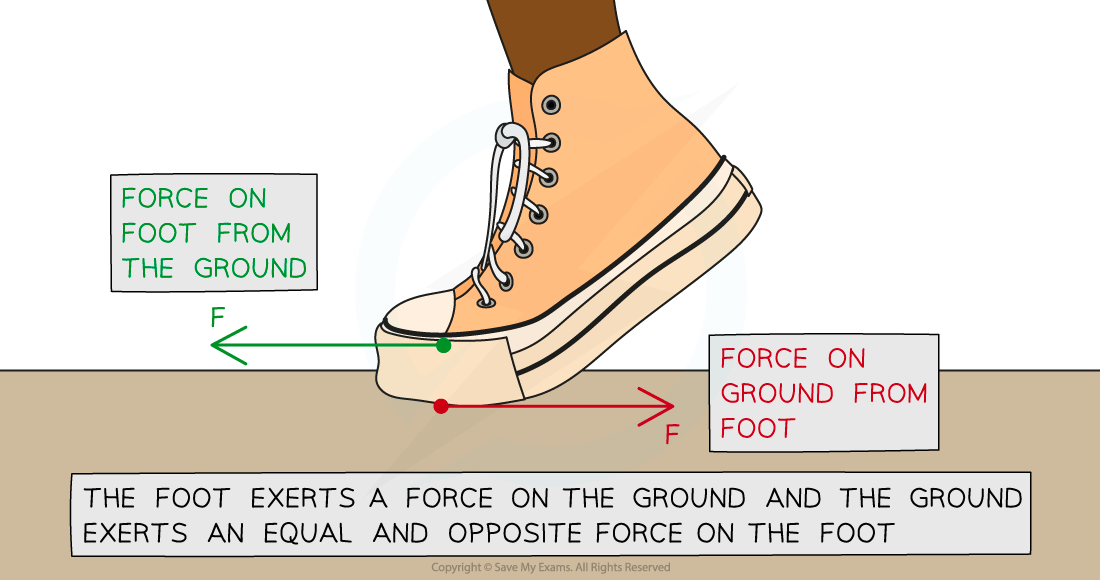
Newton’s Third Law Newton’s?third law of motion?states: Whenever two bodies interact, the forces they exert on each other are equal and opposite Newton’s third law explains the following important ...

Newton's Second Law Newton's Second Law states: The resultant force is equal to the rate of change in momentum. The change in momentum is in the same direction as the resultant force This can also ...

Newton’s First Law Newton's First Law states: A body will remain at rest or move with constant velocity unless acted on by a resultant force If the net force acting on an object is zero it is said ...
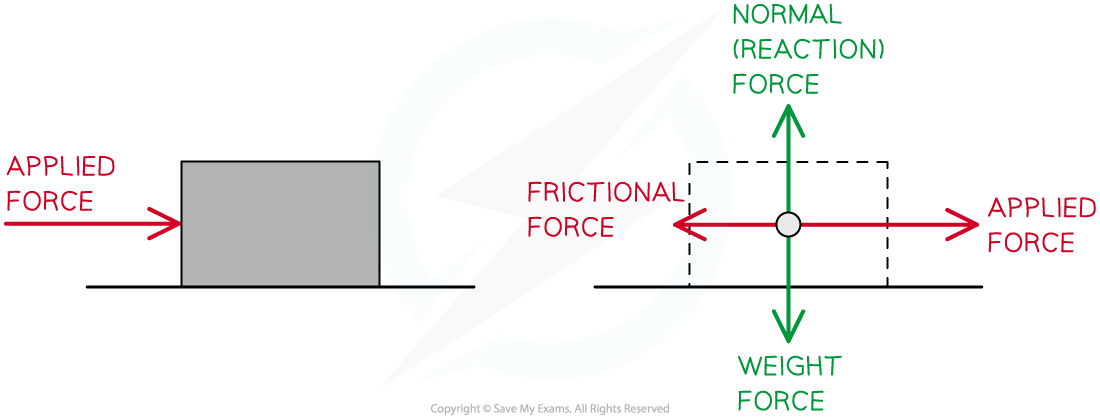
Vectors In physics, during force interactions, it is common to represent situations as simply as possible without losing information When considering force interactions objects can be represented a...
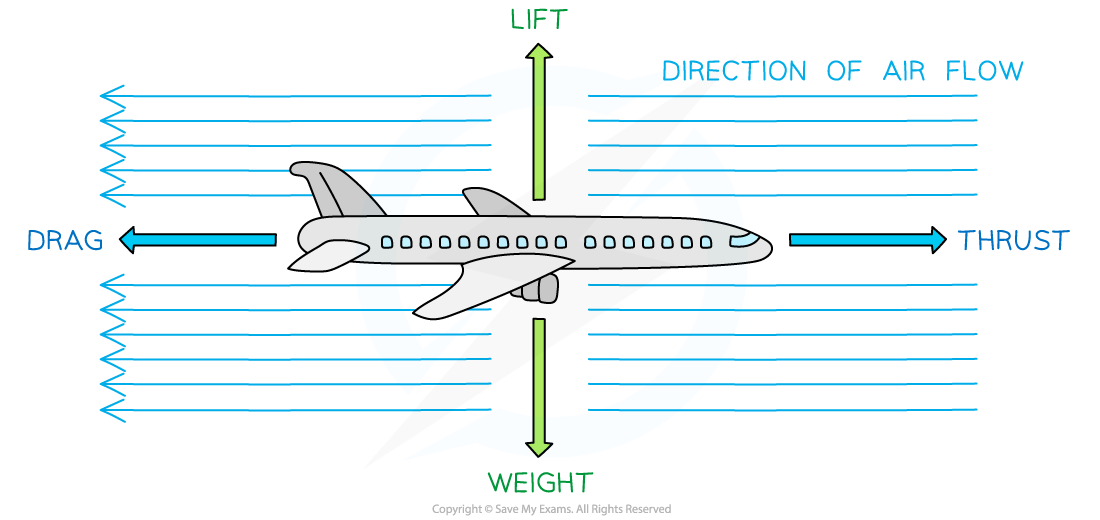
Fluid Resistance & Terminal Speed Fluid Resistance When an object moves through a fluid (a gas or a liquid) then there are resistive forces for that movement. These forces are known as drag for...

近日,CB官方公布AP經濟的考綱部分調整:同學們可以在經濟考試中攜帶并使用計算器,這項調整將于2022-23學年(2023年考試)正式生效。官方此次更新了計算器使用政策頁面、AP微觀/宏觀經濟考試頁面以及AP微觀/宏觀...
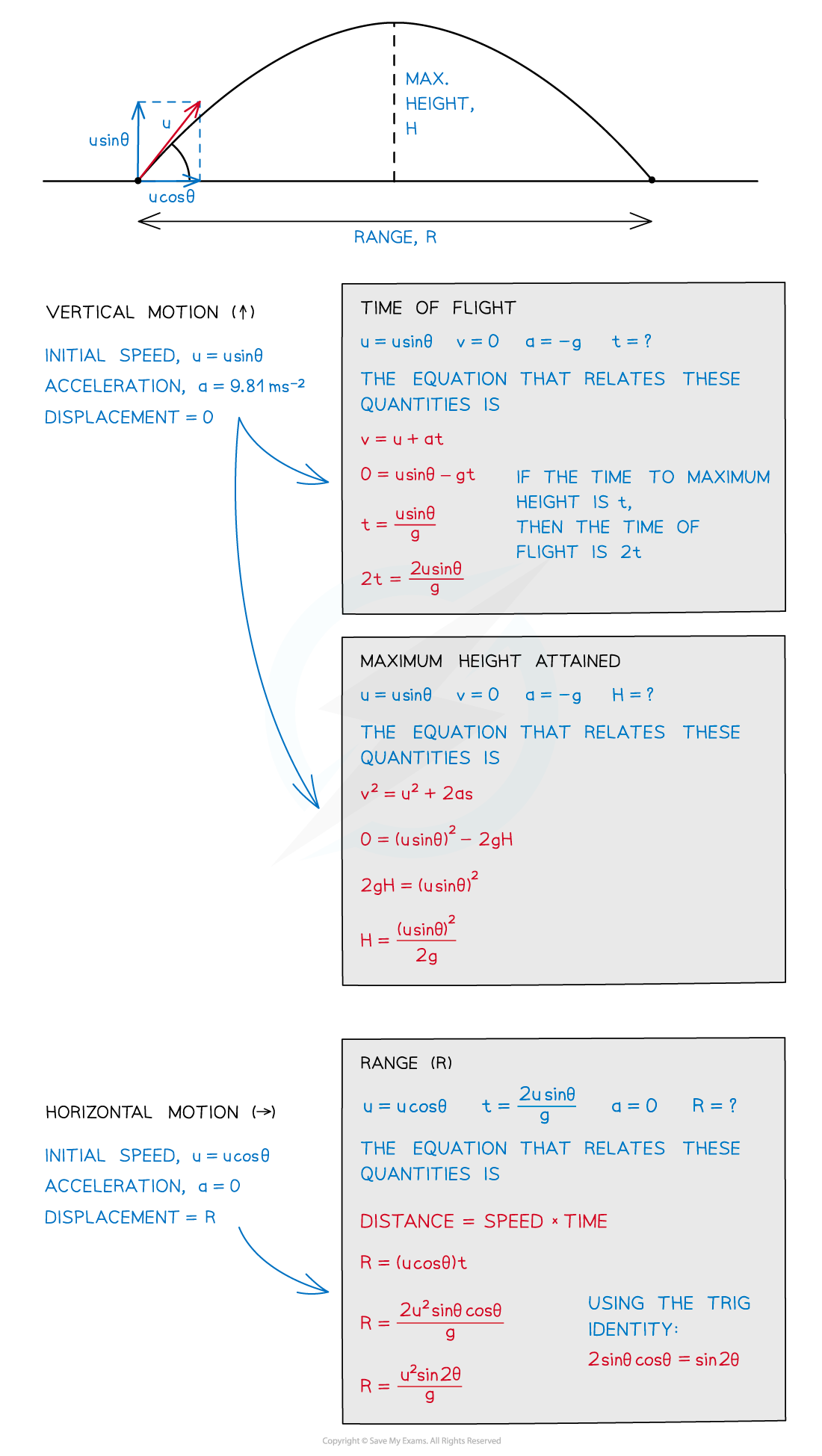
Projectile Motion The trajectory of an object undergoing projectile motion consists of a?vertical?component and a?horizontal?component These need to be evaluated separately Some key terms to know, ...
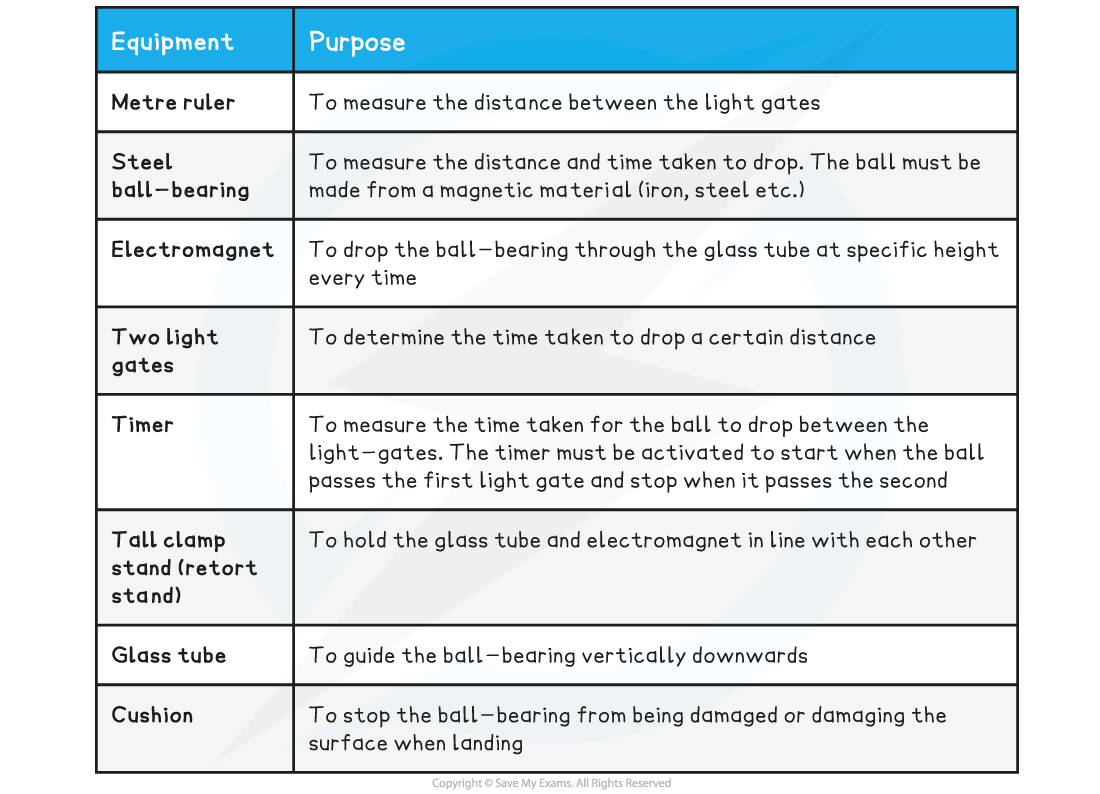
Acceleration of Free Fall Experiment The acceleration of free fall, g, is defined as: The acceleration of any object in response to the gravitational attraction between the Earth and the object Any...
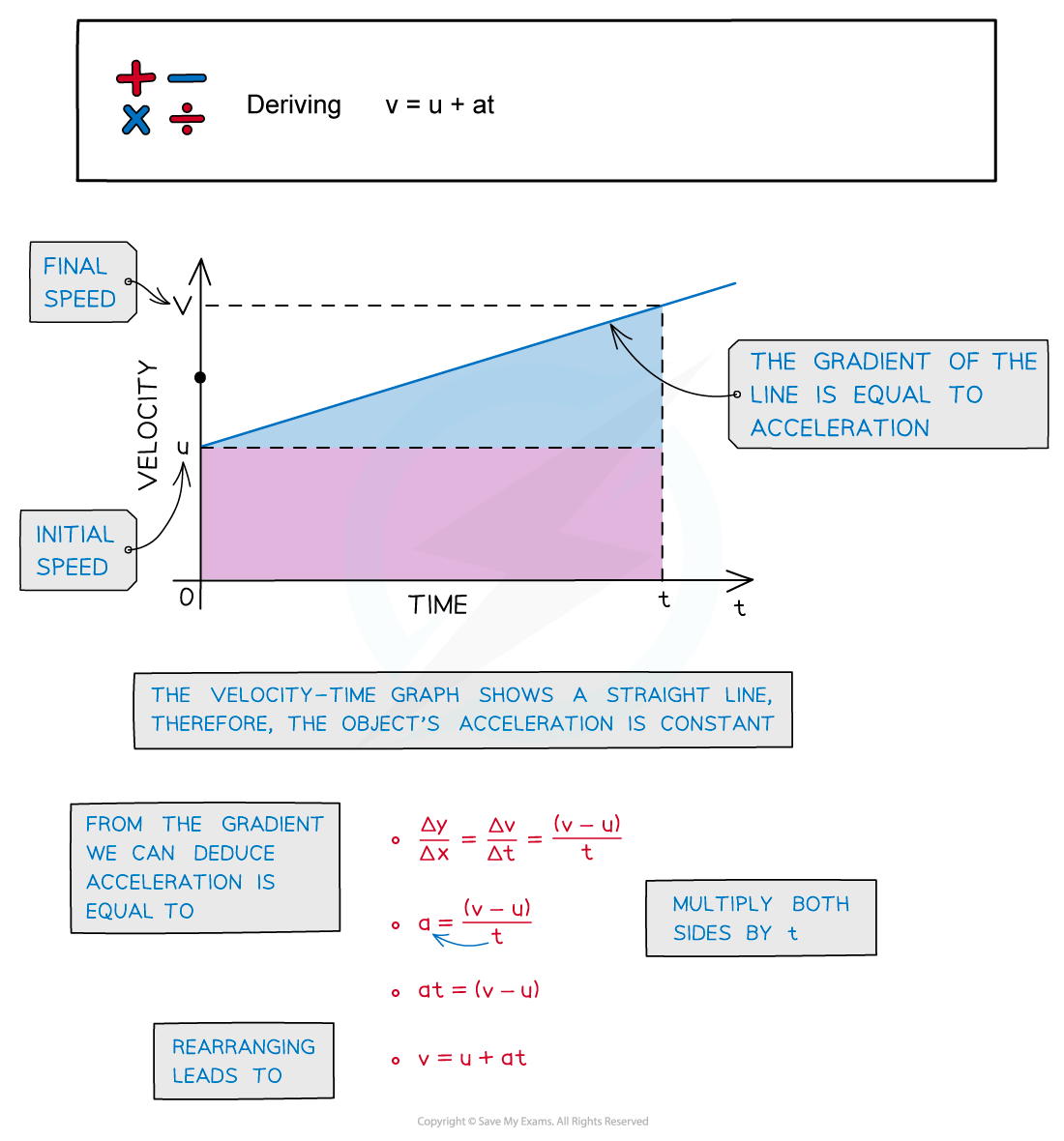
Equations of Motion for Uniform Acceleration Deriving Kinematic Equations of Motion The kinematic equations of motion are a set of four equations that can describe any object moving with?constant?a...





