GCSE必修科目有哪些?
GCSE必修科目有哪些? GCSE或IGCSE科目眾多,Edexcel GCSE提供52門考試,IGCSE有43門考試,CAIE考試局的IGCSE有70余門考試。不論是英國本土還是國內(nèi)的國際學校,一般會要求學生在GCSE/IGCSE階段學習8-10門課程。...

GCSE必修科目有哪些? GCSE或IGCSE科目眾多,Edexcel GCSE提供52門考試,IGCSE有43門考試,CAIE考試局的IGCSE有70余門考試。不論是英國本土還是國內(nèi)的國際學校,一般會要求學生在GCSE/IGCSE階段學習8-10門課程。...
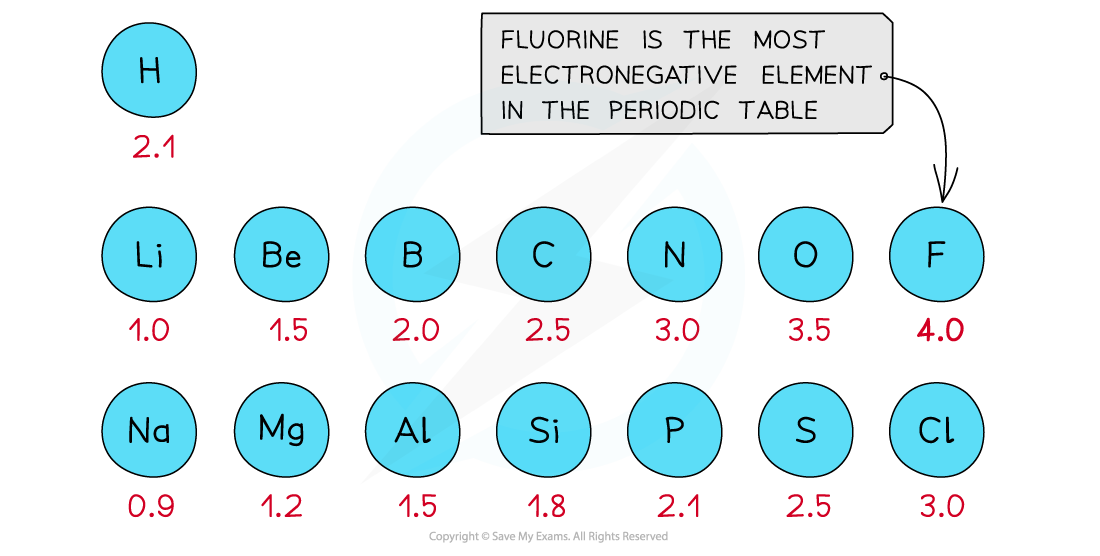
Electronegativity: Definition Electronegativity?is the ability of an atom to attract a pair of electrons towards itself in a covalent bond This phenomenon arises from the?positive?nucleus’s ability...
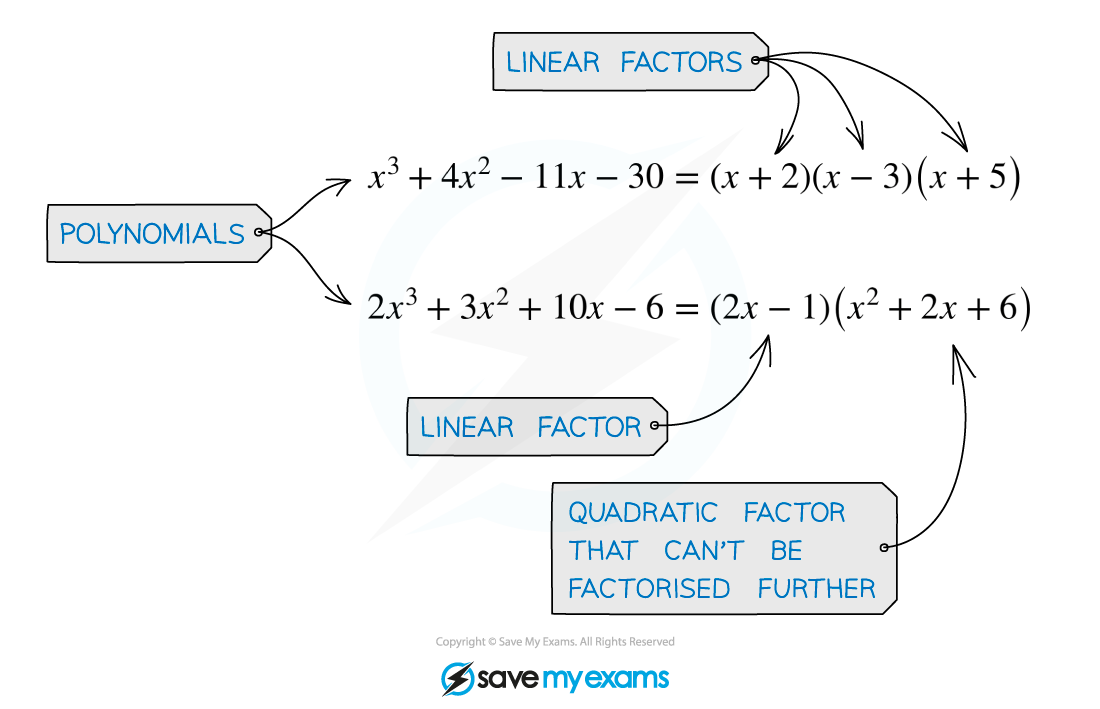
Polynomial Factorisation What is polynomial factorisation? Factorising a polynomial combines the?factor theorem?with the method of?polynomial division The goal is to break down a polynomial ...

Electron Affinity When atoms gain electrons they become negative ions or?anions Electron affinity (EA)?can be thought of as the opposite process of ionisation energy and is defined as The amount of...
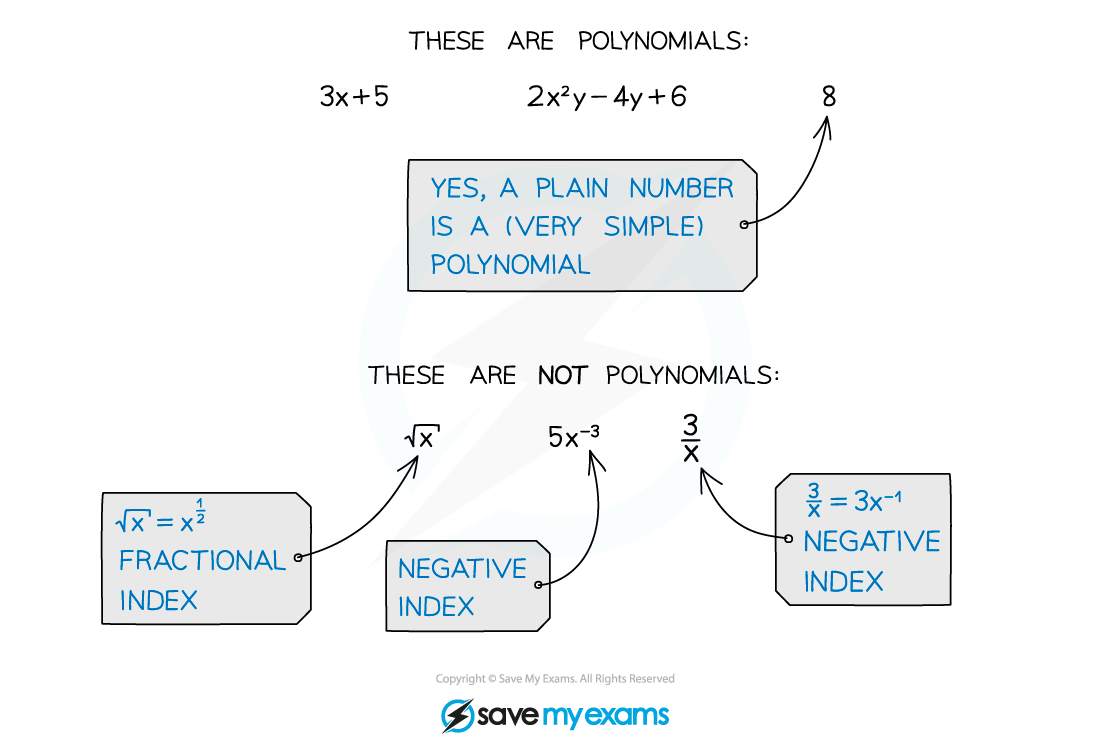
Factor Theorem What is the factor theorem? The factor theorem is a very useful result about polynomials A?polynomial?is an algebraic expression consisting of a finite number of terms, with n...

First Ionisation Energy The?ionisation?energy?(IE) of an element is the amount of energy required to remove?one mole?of electrons from?one mole?of atoms of an element in the gaseous state to form?o...

Atomic & Ionic Radius Atomic radius The?atomic?radius?of an element is a measure of the size of an atom It is the distance between the?nucleus?of an atom and the outermost electron shell It can...
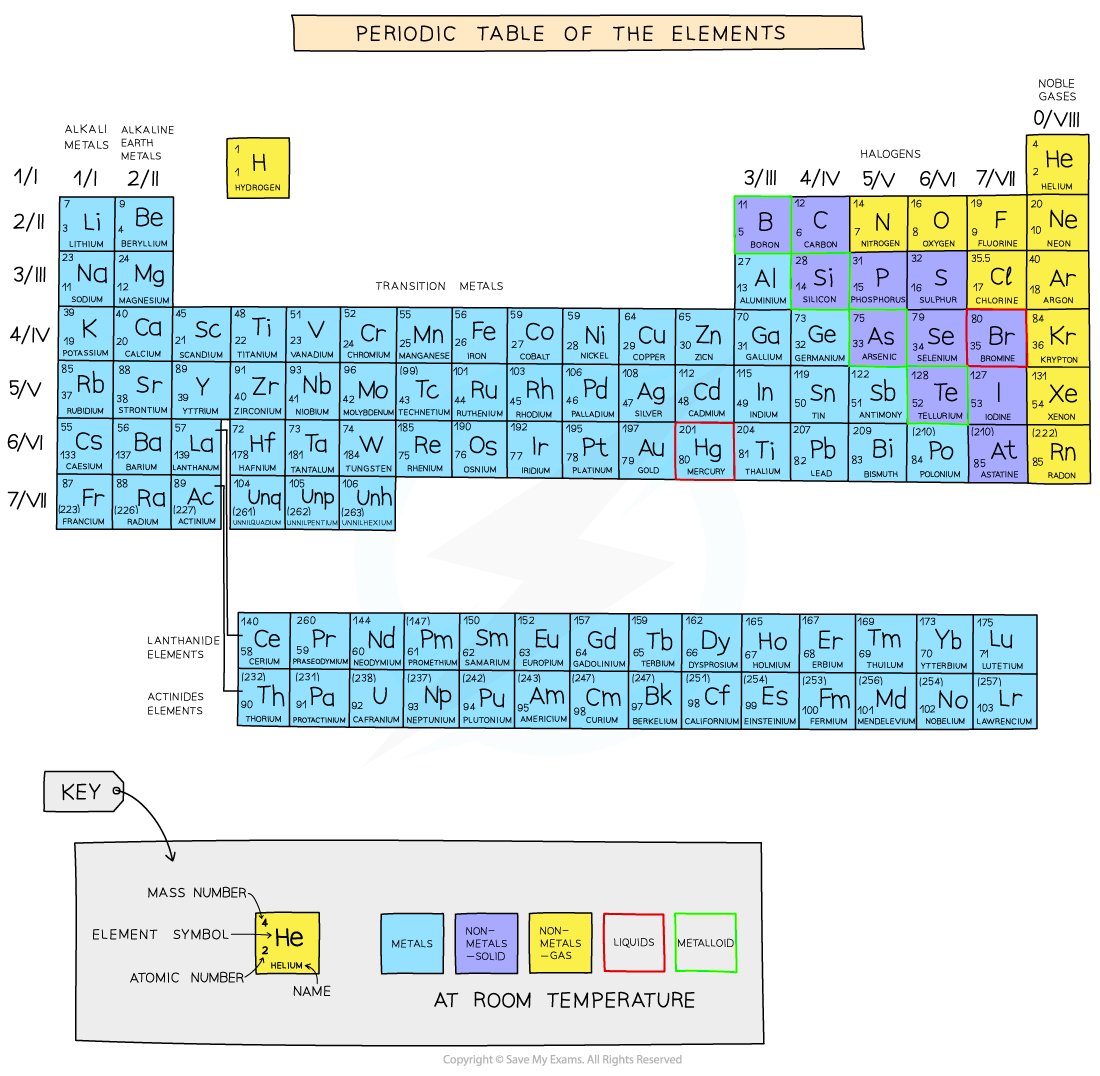
Structure of the Periodic Table The?periodic table?is a list of all known elements arranged in order of?increasing atomic number,?from 1 to 118. In addition to this, the elements are arranged in su...
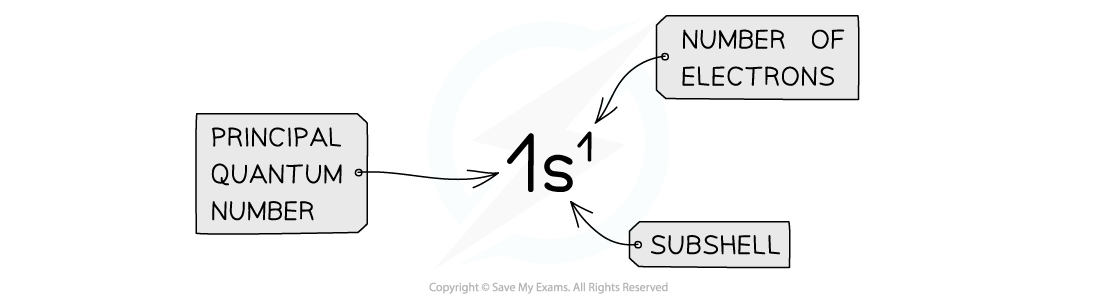
Electron Configurations: Basics The?electron configuration?gives information about the number of electrons in each?shell, subshell?and?orbital?of an atom The subshells are filled in order of increa...





