AQA A Level Chemistry復習筆記1.3.4 The Ideal Gas Equation
The Ideal Gas Equation Kinetic theory of gases The kinetic theory of gases?states that molecules in gases are constantly moving The theory makes the following assumptions: That gas molecules...
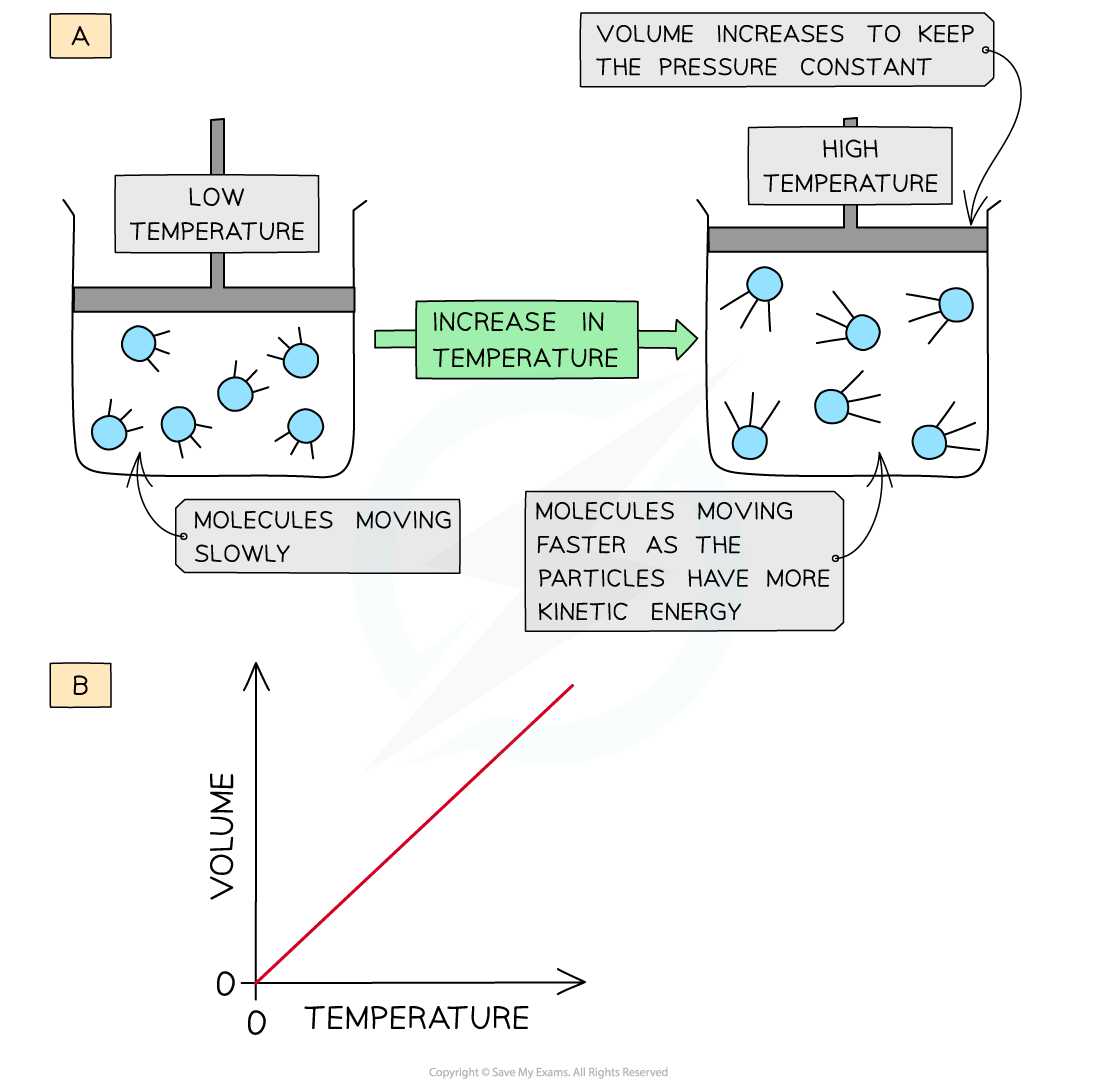
The Ideal Gas Equation Kinetic theory of gases The kinetic theory of gases?states that molecules in gases are constantly moving The theory makes the following assumptions: That gas molecules...

Volumes & Concentrations of Solutions The?concentration?of a solution is the amount of?solute?dissolved in a?solvent?to make 1 dm3?of??solution The solute is the substance that dissolves...

Reacting Masses The number of moles of a substance can be found by using the following equation: It is important to be clear about the type of particle you are referring to when deali...

Water of Crystallisation Water of crystallisation?is when some compounds can form?crystals?which have?water?as part of their structure A compound that contains water of crystallisation is ca...

Atom Economy The atom economy of a reaction shows how many of the atoms used in the reaction become the desired product The rest of the atoms or mass is wasted It is found directly fr...

Percentage Yield In a lot of reactions, not all reactants react to form products which can be due to several factors: Other reactions take place simultaneously The reaction does not go to?co...
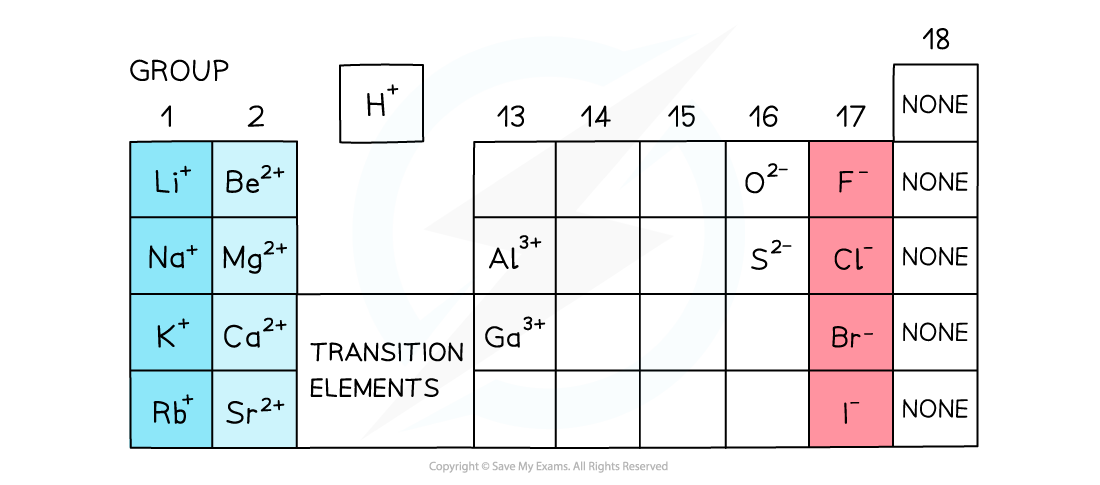
Deducing Formulae of Compounds Ionic?compounds?are formed from a?metal?and a?non-metal?bonded together Ionic compounds are electrically neutral; the positive charges equal the negative charg...
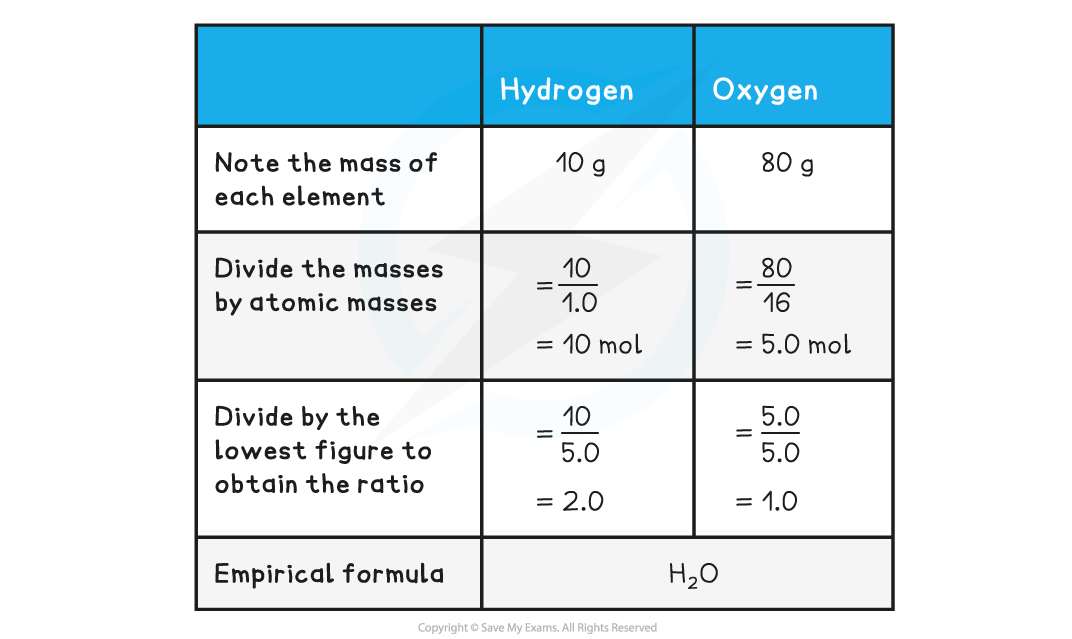
Empirical & Molecular Formulae The?molecular?formula?is the formula that shows the?number?and?type?of each atom in a molecule E.g. the molecular formula of ethanoic acid is C2H4O2 ...
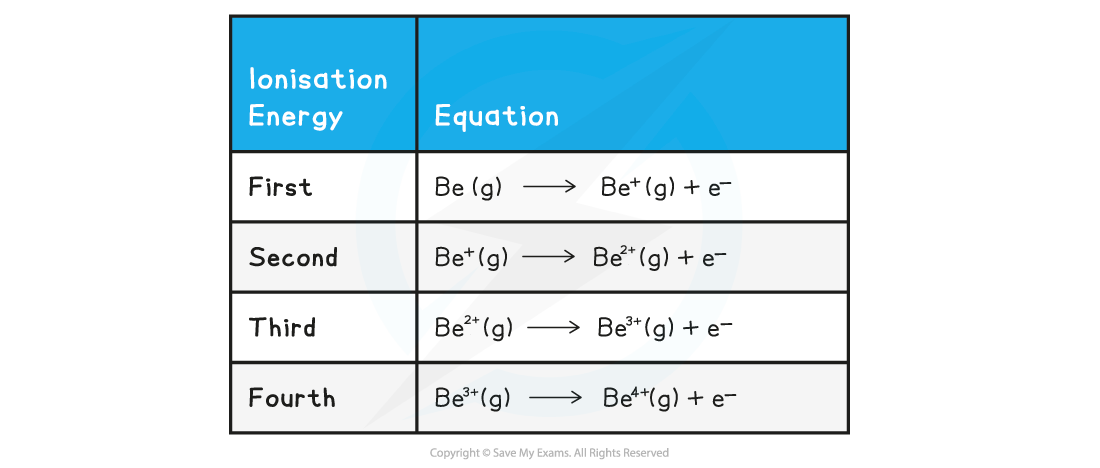
Ionisation Energies: Equations The?second ionisation energy?(IE2) is the energy required to remove the second mole of electrons from each +1 ion in a mole of gaseous +1 ions, to form one mol...





