Eco-Gardening in the Big City | 大都市內的生態園藝

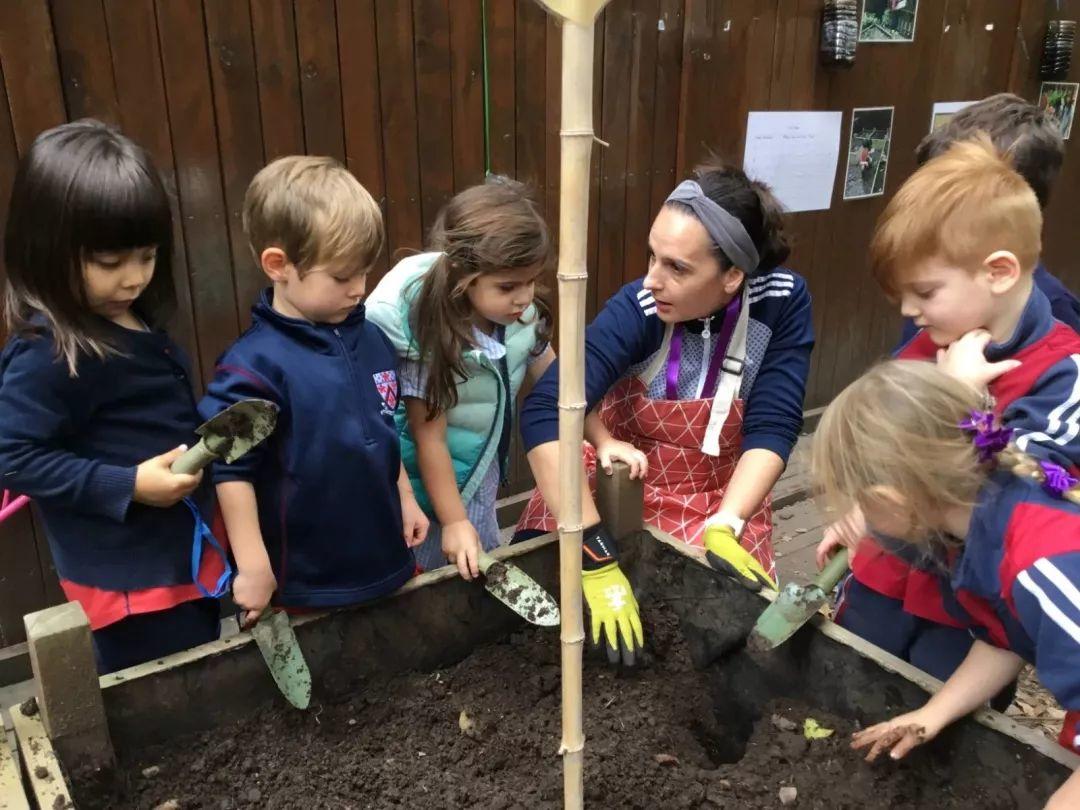
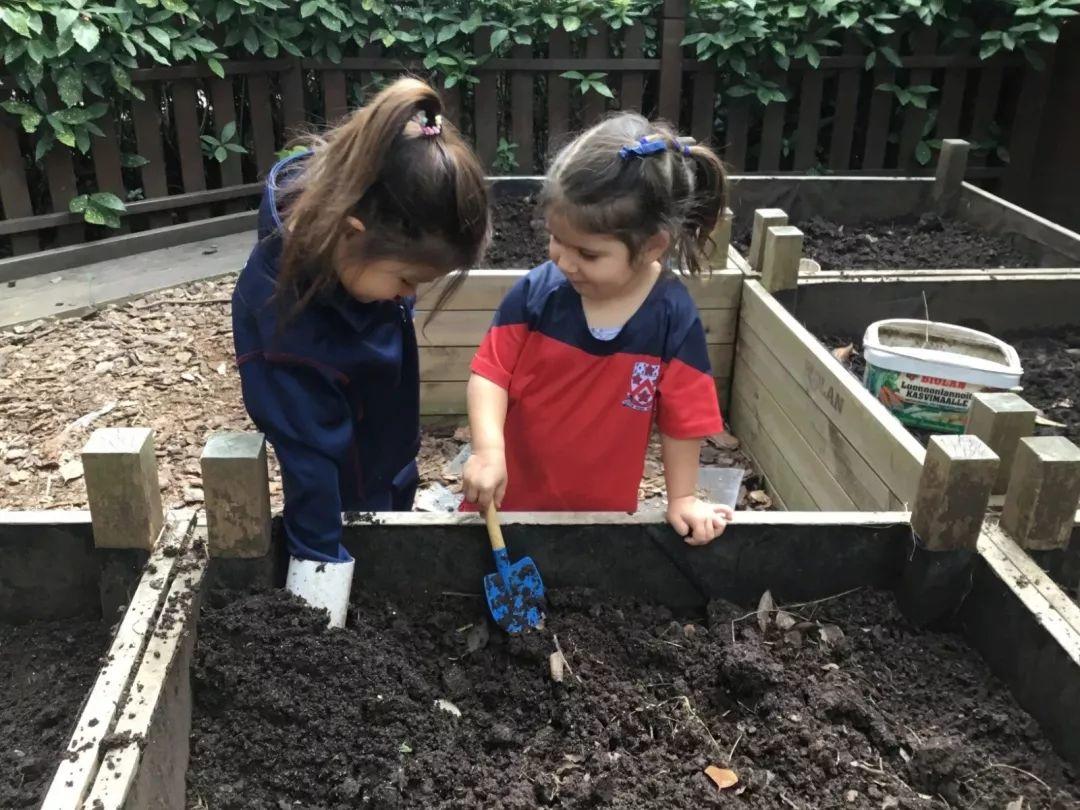
In March 2016, we were fortunate enough to be gifted an eco-garden from the Friends of Dulwich (a group of parent volunteers). Since then, we have had children between the ages of two and seven experience what gardening can be like whilst living in such a big city as Shanghai! Many of the children in DUCKS haven’t had the opportunity to get their hands into soil, see worms in their natural habitat, or eat fresh produce that they have grown from seed to plate. The garden has brought so much learning into the lives of the children and their teachers each year as we explore what an eco-garden looks like in Shanghai.
At the beginning of each school year, children who are in Nursery and Year 1take on the adventure of gardening. They are joined by some Year 2 children, a group of students from our Senior School, teachers, supportive parents, and ayis.
In September 2018, the Year 1 children decided to grow their own carrots. They started by de-weeding the planters, talking about worms and what effect they have on the soil, and planting the carrot seeds, making sure they were evenly spaced out.Every so often, the children would go out and water the carrots, but unfortunately they struggled to grow.The children were a little disappointed but are ready and willing to try again now that it is Spring.The Nursery children have enjoyed learning all about how to grow vegetables in the organic garden. The children spent time weeding and getting the soil ready for planting. As the children, parents, and teachers toiled in the soil, they found worms that the children learned are good for helping the plants to grow. With the help of the DUCKS community, the children planted vegetable seeds and created a garden bed, where they planted an array of common household vegetables like onions, garlic, carrots, and potatoes to see if they would grow.During the winter months, the Nursery children tried their best through the wind and rain to nurture the seedlings and hoped that they would grow. As the weather began to warm up, the children discovered that the lettuces and other vegetables had in fact grown and continue to grow. The children have shared their excitement with their parents and teachers, describing the lettuces that they have grown:
“The lettuces have got big, but we can’t eat them yet, we have to wait.” (Olivia, age four)
“We like doing the digging, and we want to see what it tastes like.” (Lucy, age four)
Over the next few months, the children in Nursery will be harvesting the vegetables that have grown in the gardens and making salads with them that they can then enjoy during snack times.The next step will be talking with the children about the concept of composting and collecting raw vegetable scraps to be placed in the compost bin to create great nutrients for the gardens.

In Year 1, two classes did research on how to increase the number of bees around the garden. The children had learned that, without bees, there would be no food for humans to eat. The children didn’t find many bees in January because of the weather, but decided to research which types of plants and flowers are good for bees, as the bee population is sadly declining.The children in Year 1 raised awareness about saving the bees by holding a ‘Save The Bees’ day, sharing with the DUCKS and Junior School communities why it is so important that we make changes in our daily lives so that the bee population can rise again. At the end of the term, the children were so happy to discover some bees in our garden, fueling their desire to keep ‘Saving the Bees’!For the remainder of the year, the Year 1 children will be planting ‘bee friendly’ plants to help attract bees to our eco-garden, putting the research that they undertook into action.The eco-garden has taught the children of DUCKS so many valuable skills and lessons. When seeds haven’t grown, it has disappointed the children but it has also taught them about perseverance, responsibility, and what they need to do to ensure that the garden does produce vegetables to eat and flowers for the bees. Planning a garden, planting the seeds, and watching them grow has given the children a sense of purpose. Making sure that the plants get enough fertilizer, water, and sun has fostered mindfulness. The concepts learned while gardening, like composting food scraps for fertilizer or using gathered rainwater, have also modeled deep respect and responsibility for taking care of our planet. Furthermore, studies show that when children have contact with soil during activities like digging and planting they have improved moods, better learning experiences, and decreased anxiety. Most importantly, the self-esteem a child gets from eating something they have grown themselves is priceless.
The DUCKS children look forward to continuing their adventures in the eco-garden, celebrating what they grow and embracing challenges when they arise.
Written by: Renee Wheeler DUCKS Sustainability Coordinator (with contributions from the Nursery children, teachers, and the Year 1 children and teachers).
2016年3月,“德威之友”家長志愿者團體向我校友情饋贈了一座生態花園。自此,我校2-7周歲的兒童便有機會在上海這座大都市里體驗園藝之樂!很多孩子此前從未接觸過土壤,也未見過原生態環境中生活的昆蟲,或是品嘗親手種植的新鮮蔬菜。于是師生們開始對都市生態花園進行探索。這座花園寓教于樂,讓大家在日常生活中學到了大量知識。以下是我們在這一學年中的收獲。
學年伊始,幼兒園中班(3-4歲)和1年級(5-6歲)的孩子們就開始了園藝探索課程。同時參加的還有部分2年級兒童、中學部同學、老師,還有前來幫忙的家長和阿姨。
2018年9月,1年級的同學們決定自己動手種植胡蘿卜。第一步是除草,探討蟲子可能對土壤造成的影響。他們種下胡蘿卜苗,并確保間隔均勻。孩子們不時地外出澆水,但可惜的是,胡蘿卜長勢不佳。雖然不免失望,但好在恰值春日,他們信心滿滿地準備再試一次。中班的孩子十分享受在有機花園里學習蔬菜種植。他們花時間除草,為種植做準備。家長和師生們在地里忙碌地耕耘,后來發現,那些蟲子其實對土壤有益,且有助于植物生長。在幼兒園社區的幫助下,大家種下了蔬菜幼苗,并制作了一個花壇,用以種植各種家常蔬菜,如:洋蔥、大蒜、胡蘿卜、土豆等,看看是否能順利長大。
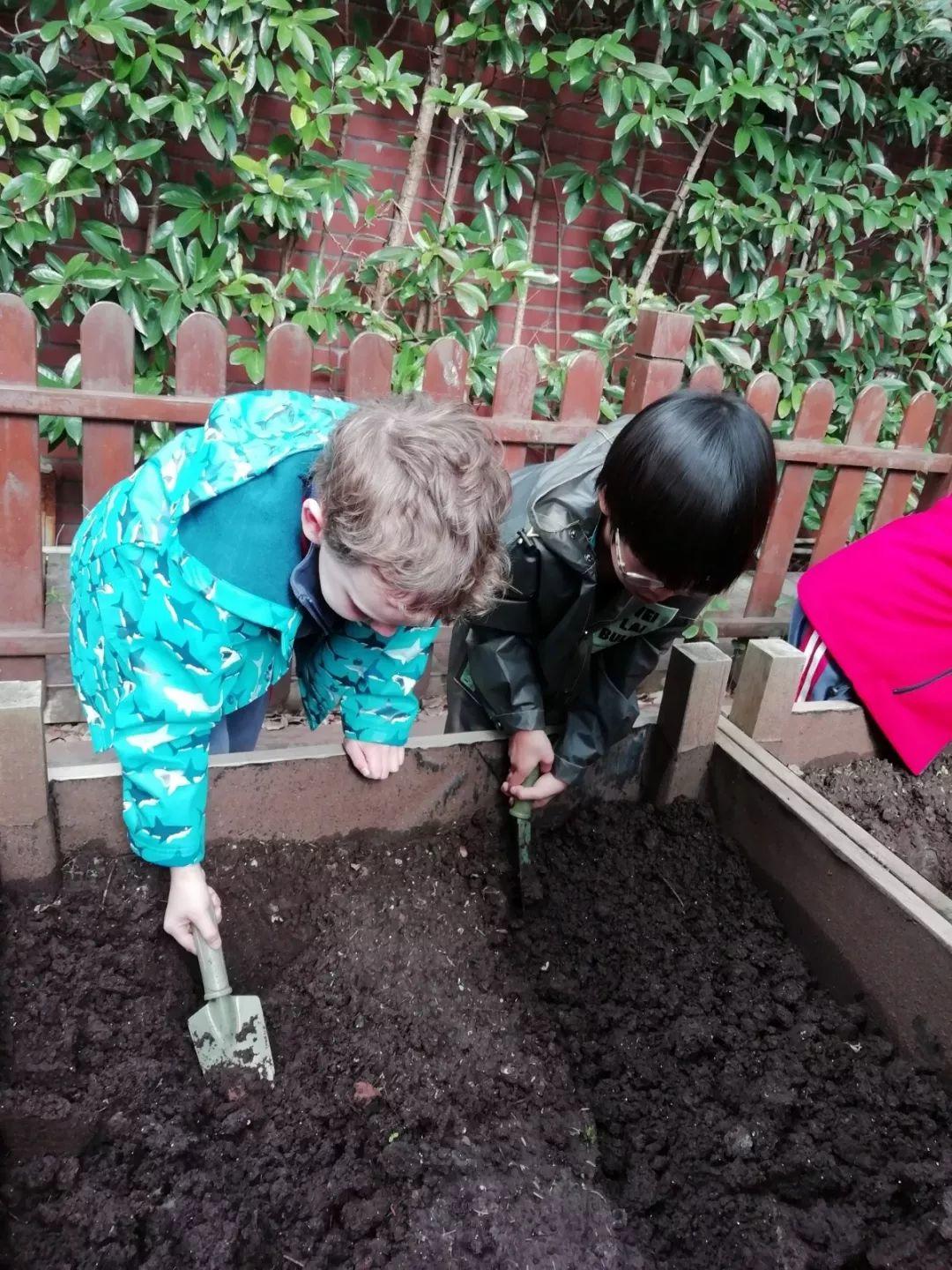
冬日里,中班的孩子不避風雨,悉心呵護著菜苗,盼望它們快快長大。隨著天氣逐漸轉暖,同學們發現自己種的萵苣和其他蔬菜長勢喜人。他們興奮地與家長和老師分享自己的喜悅,一邊比劃著萵苣的成長情況。“萵苣已經長得很大了,但目前還不能吃,還得再等一陣子。”4歲的Olivia 說道。“我們喜歡在土里挖挖弄弄,迫不及待地想要嘗嘗菜的味道。”4歲的Lucy如是說。再過幾個月,中班的同學們就能收獲花園里的蔬菜了。這些菜將用來做成色拉,供孩子們作為點心食用。接下來,我們將與孩子們探討堆肥的概念,以及如何收集蔬菜廢料,集中到堆肥箱中以便制作花園所需的養分。此外,兩個1年級班級就如何提高花園附近的蜜蜂數量共同展開了研究。他們了解到,如果沒有蜜蜂,那么就不可能長出供人類食用的食物。由于天氣原因,他們在1月份并未發現大量蜜蜂。而且因為蜜蜂數量的減少,他們決定對適合蜜蜂生存的植物、花卉種類展開研究。為此,1年級還特地舉辦了“拯救蜜蜂日”活動,來提高人們的蜜蜂保護意識。在這一天,他們向幼兒園和小學部開展宣傳活動,提倡大家從我做起,改變日常生活習慣,從而提高我們身邊的蜜蜂數量。學期末,孩子們驚喜地在花園中發現了幾只蜜蜂,這更堅定了他們將“拯救蜜蜂”行動進行到底的決心!
今后,1年級的同學們還將種植一些蜜蜂喜歡的植物,吸引更多蜜蜂到我們的生態園中來,并將自己的研究成果付諸實踐。這座生態園教會了孩子們太多珍貴的技能,給他們上了一堂又一堂別開生面的實踐課。當幼苗停止生長的時候,雖然大家心情失落,但也同時學會了堅持與責任,以及如何做才能確保花園里長出可食用的蔬菜和吸引蜂群的花朵;在花園規劃、幼苗種植、觀察長勢的過程中,孩子們開始有了目標意識;在確保植物獲得充足養料、水分和光照的過程中,他們變得更加細心敏銳。園藝實踐中所學到的專業概念,如:食物廢料堆肥、雨水收集利用等,可以培養孩子們對地球保護的責任感與敬畏心。此外,有研究顯示,當孩子們在挖掘、種植等活動中接觸到土壤時,他們的心情會變得更好,學習體驗更佳,內心的焦慮感也會有所減少。更重要的是,當孩子們吃到自己親手種植的食物,他們從中獲得的自尊與成就感是無價的。
幼兒園的孩子們期待著繼續在生態園中學習和探索,分享收獲的喜悅,勇敢地克服學習路上的每一個挑戰。
作者:Renee Wheeler,德威幼兒園可持續發展協調員(感謝幼兒園中班全體師生及1年級師生為本文提供素材)

翰林AMC8視頻課重磅上線!

國際競賽真題資源免費領取







